Up Close & Personal with Katherine Fyffe (Polyglot Theatre)
Katherine Fyffe
Share with us more about Polyglot Theatre’s artistic practice and how it shapes your work.
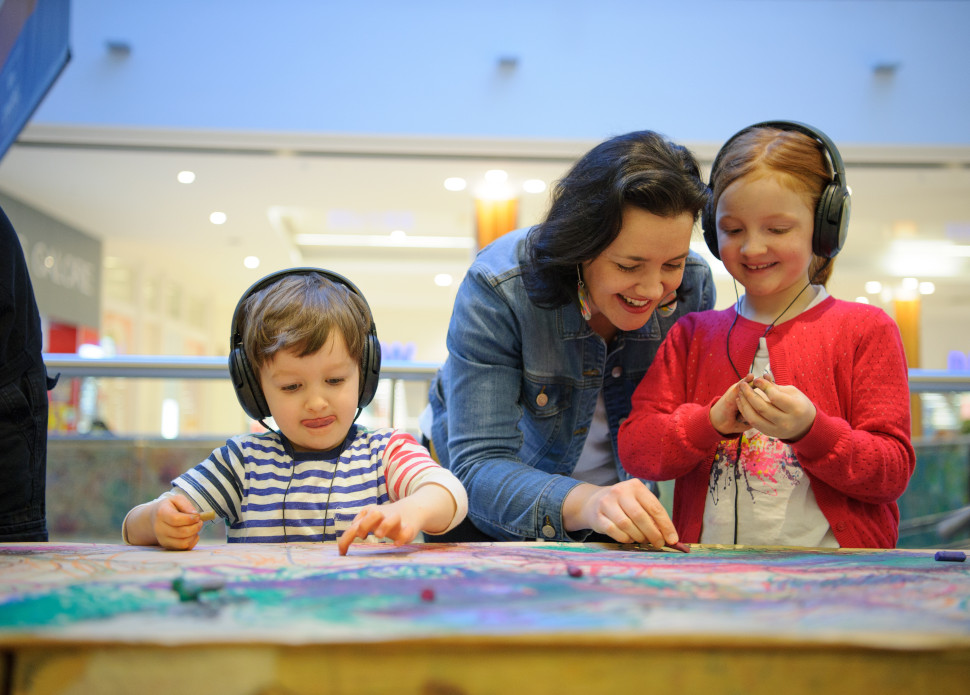
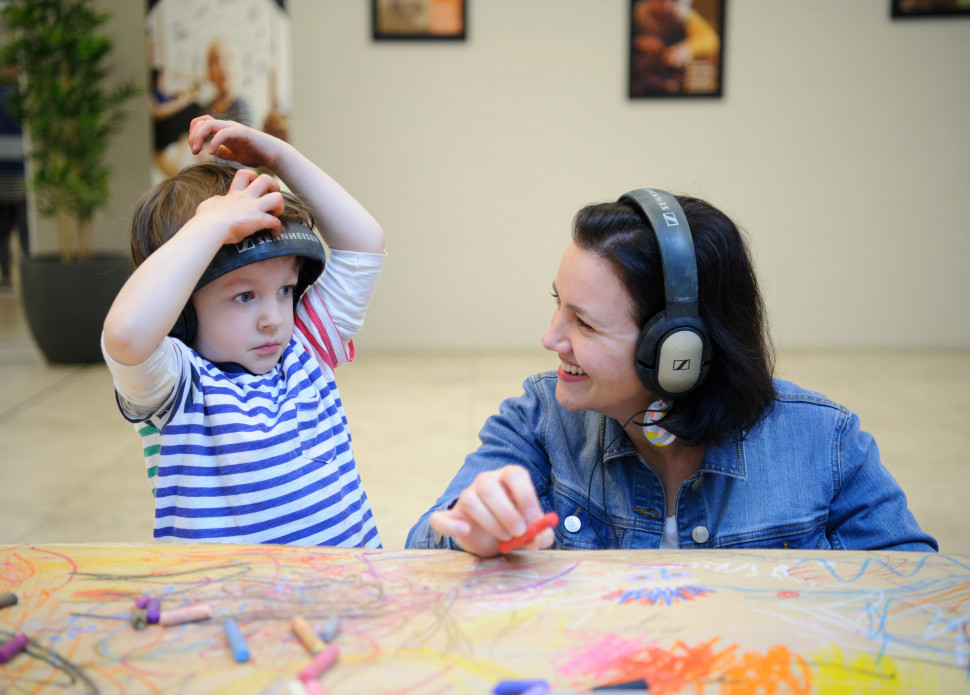
Polyglot Theatre creates participatory theatre works for children aged 0-12 and their families, bringing people together to share in joyful, playful creative experiences. There is always a lot of colour, beauty and movement as children take the lead in Polyglot works, bringing the immersive framework we have created to life.
One of my favourite things about Polyglot’s practice is that it is child-led, giving children the agency to find their own way in engaging with the work. I’ve seen this unfold in so many different ways – from children who dive right in and start making and playing, adults who are swept up in their energy, others who watch quietly or choose to make intricate paper creations. There really is no way to get it wrong at a Polyglot show.
I’ve been lucky that during the time I’ve worked with Polyglot (nearly eight years), my children were the perfect age to attend performances and installations. I’ve seen the impact of engaging in Polyglot’s works through their eyes, which keeps me endlessly energised to bring that joy and agency to more children in lots of different contexts.
How do you adapt your productions to resonate with audiences from different cultural backgrounds?
Most of Polyglot’s performance works are without language, which means we can tour to many locations and communities with great flexibility. This is also true of our work at home in Australia – our audiences speak many languages and come from rich and diverse backgrounds – so we aim to find universalities while creating space to celebrate those differences in our works.
We also work in collaboration with international partners on longer form intercultural projects. Recent collaborations with Esplanade – Theatres on the Bay in Singapore, and West Kowloon Cultural District in Hong Kong, have given rise to some amazing new productions that resonate across our cultures and experiences.
The other extraordinary thing about participatory theatre is that the children of the local community bring it to life – it is their experiences, energy, perspectives and interests that give it such resonance. Our artists benefit from seeing how children engage in many different cultural contexts, which continues to enrich our future work.
How does Polyglot Theatre envision expanding its presence internationally, and what strategies are you exploring to achieve this?
We have had an incredible return to international touring in recent years, delivering 45 international seasons in nine countries since 2021. This is due to a combination of factors – the increasing demand for outdoor works (of which we have many), our focus on accessible works for children and families, and expanding our local delivery touring models. For example, we have a partnership with a dance company in Cleveland, USA, who can deliver seasons of our outdoor works Bees and Ants in North America that would otherwise be impossible due to financial and environmental considerations. That partnership works on several levels: helping us meet high demand from venues and presenters, bringing in important income and audience reach, and providing fresh insight on our performance works from our partner company’s artists.
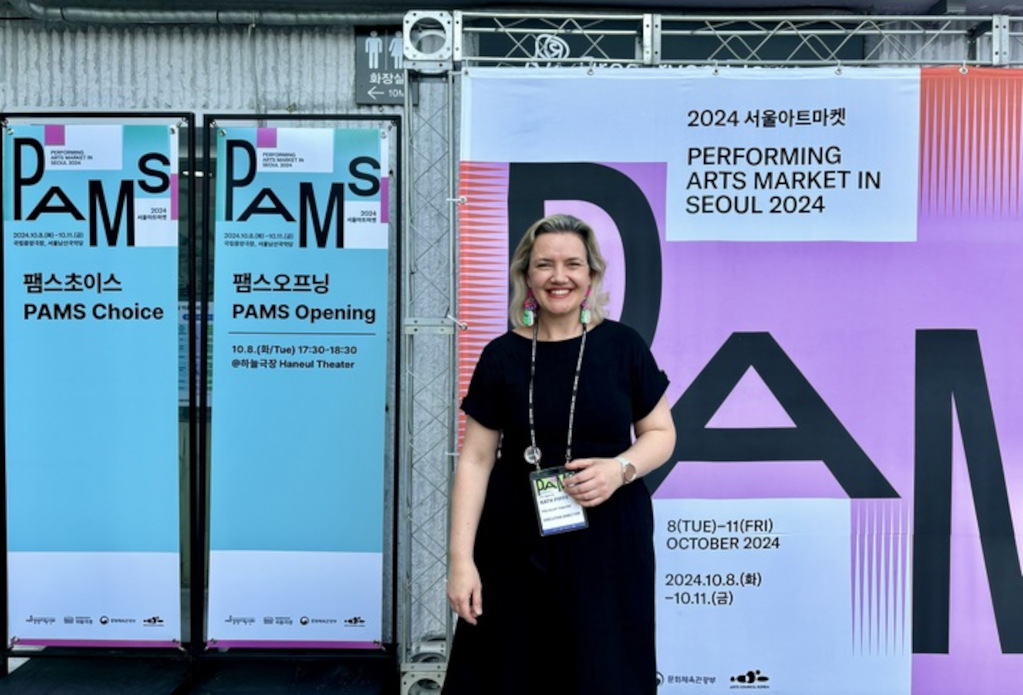
One very enjoyable part of my role as Executive Director is participating in international conferences and events, sharing Polyglot’s works and learning from others who believe in the power of the arts for children and young people as much as I do. I see strong opportunity for us to work together to increase the accessibility of performances for children and families in the future. I also see future growth in local delivery models, and the chance to explore new forms and processes with artists and audiences through reciprocal partnerships and collaborations. I’m very excited for the future!
What does Polyglot Theatre hope to benefit and gain from being part of the AAPPAC network?
I think Polyglot will benefit from a stronger, more connected network in the region, building on the many relationships we already hold as we get to know members. I’m hoping to learn more about the challenges that venues and colleagues are facing in the current environment, in the hope that we find ways to meet them together with energy and innovation. There is deep generosity in gatherings and networks like this, and I’ve been lucky to learn from some great mentors and leaders and am sure that will only increase being part of the AAPPAC network.
Tell us a little about yourself – what were you doing before this and how you came to Polyglot Theatre?
I originally trained as an actor, before a group of us from Flinders University formed a theatre company, making a series of site specific and experimental works for the first decade of my career. That was a great training ground for producing and understanding how to create and support ambitious collaborative works. I’ve worked in contemporary dance, national advocacy and international festivals along the way, before landing at Polyglot, where I co-lead the team with Artistic Director Cat Sewell.
What is the favourite part of your job?
Oh this is a hard one because I REALLY love so many things about my job. I enjoy visiting our performances and seeing children’s faces light up with joy and possibility. I also enjoy the process of crafting a proposal for a funder or partner that articulates how we will both achieve new heights by partnering together. We have a special bell in our office that we ring when we get good funding or touring news – it’s a symbol of how our team all share in the success of this wonderful company.