
AAPPAC Training Exchange 2026: Seoul Arts Center × New National Theatre Tokyo
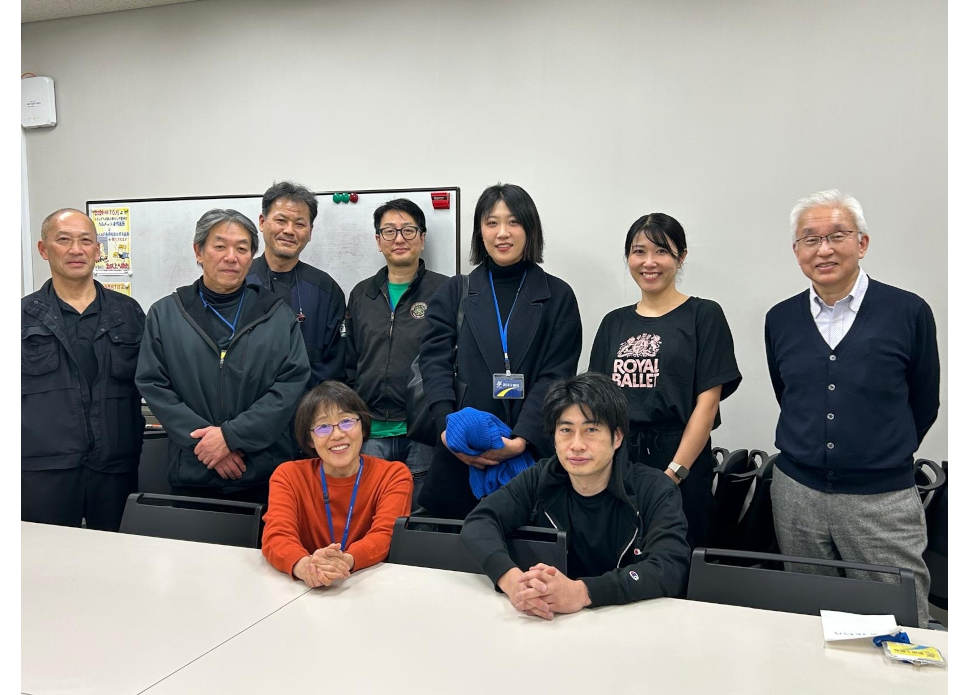
Ms Yeonsoo Kim with Technical Department staff of NNTT
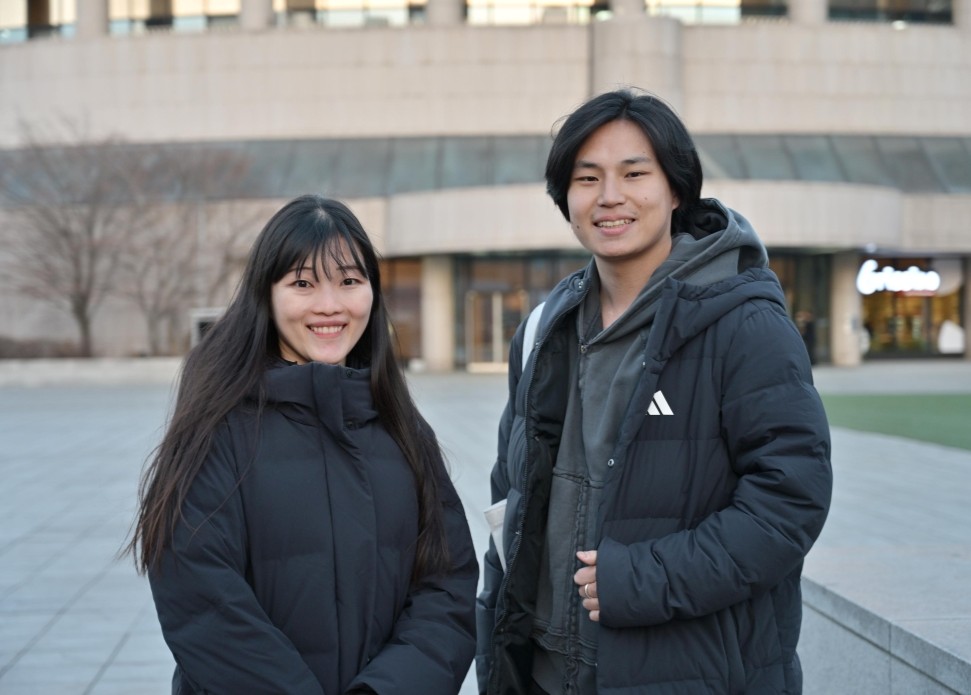
Yu Funaki & Yudo Kawaguchi @ SAC
From 19 – 31 Jan 2026, three colleagues—one from the Seoul Arts Center (SAC) and two from the New National Theatre Tokyo (NNTT)—participated in the AAPPAC Training Exchange. Over nearly two weeks, we stepped beyond observation and into the daily realities of one another’s institutions—backstage, in rehearsal rooms, inside control booths, and within digital studios—gaining insights that no online research or conference discussion could ever replicate. It was practical, immersive, and transformative.
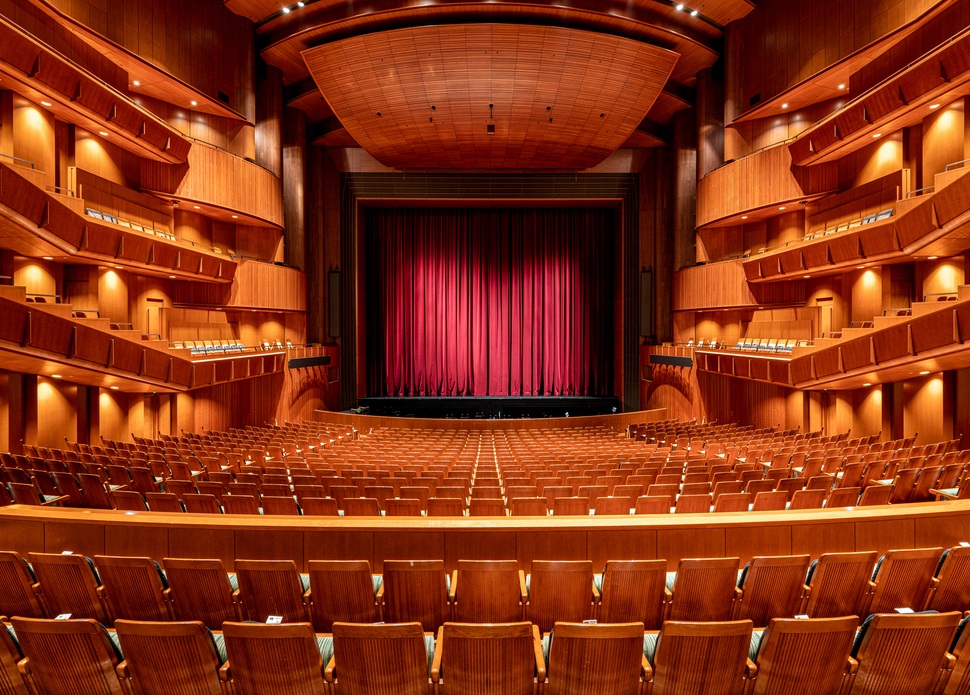
New National Theatre, Tokyo
Inside a Fully In-House Producing Theatre
At NNTT, our SAC colleague encountered a production system built on long-term vision and structural precision. Annual programming is confirmed approximately four years in advance, enabling early technical consultation, integrated budgeting, and rigorous safety planning from the conceptual stage. Directors present detailed models and designs well before fabrication begins, allowing technical teams to identify risks, adjust specifications, and stabilise costs early in the process.
The scale is formidable: multiple new opera and ballet productions annually, alongside repertory revivals supported by an extensive storage and logistics network. At off-site warehouses, sets and costumes are preserved under controlled conditions, catalogued for future reuse. Productions are treated not as one-time events, but as long-term artistic assets.
Equally striking is the culture of safety. Daily safety briefings, mandatory protective equipment, and clearly defined hierarchies of responsibility form the backbone of operations. Work is stopped immediately if unsafe conditions arise. Safety is not an afterthought—it is a structural principle.
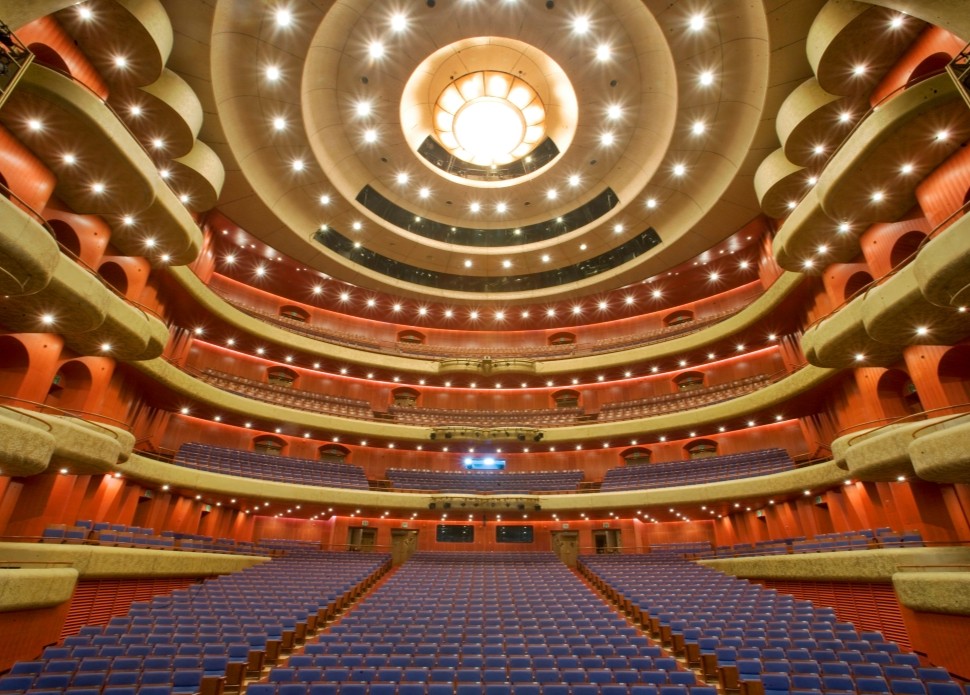
Seoul Arts Centre
A Digital Ecosystem for the Arts
In Seoul, NNTT staff discovered a different but equally compelling model—one driven by digital innovation and audience engagement.
SACPASS, originally introduced as an electronic ticketing tool, has evolved into a comprehensive engagement platform. Beyond QR-code entry, the app recommends performances based on purchase history, displays demographic data of ticket buyers, visualises users’ cumulative spending, enables ticket gifting, and incorporates a mission-based rewards system. Visitors earn points for eco-friendly choices or repeated attendance, transforming ticketing into an interactive relationship between the theatre and the audience.
For NNTT, currently expanding its own electronic ticketing system, SACPASS provided a powerful case study in how digital infrastructure can function strategically—not merely operationally.
The Media Content Department further demonstrated SAC’s forward-looking vision. During the pandemic, government support enabled the creation of a dedicated Media Studio equipped with cinema-grade 4K cameras, Dolby Atmos sound facilities, and a master control room. Through DIGITAL STAGE, SAC distributes over 90 recorded titles and dozens of live streams annually, extending access far beyond Seoul. Observing a masterclass recording session—where young musicians competed enthusiastically for in-person attendance slots—revealed how digital initiatives can energise new generations of audiences.
Governance, Safety, and Institutional Resilience
Another powerful learning was SAC’s safety governance. Following a major fire incident in 2007, SAC established a dual-layered system: centralised 24-hour monitoring combined with strict on-site enforcement by Stage Managers. Daily safety training includes performers as well as technical staff. If even one person lacks required protective equipment, work halts immediately.
For NNTT participants, this reinforced the importance of visible, uncompromising safety culture. For SAC, observing Japan’s meticulous advance planning offered valuable perspective on integrating risk management earlier in the production lifecycle.
Why Apply?
This exchange demonstrated that professional growth happens most meaningfully at the intersection of differences. We encountered alternative workflows, contrasting organisational structures, and varied cultural expectations, prompting us to re-examine our own practices.
We learned that:
- Early technical collaboration strengthens artistic freedom.
- Digital ticketing can evolve into a marketing ecosystem.
- Safety culture is shaped not only by regulation, but by institutional memory.
- Asset management and revival planning contribute to sustainability.
- International colleagues facing similar challenges can become long-term partners.
Beyond systems and strategies, the exchange fostered genuine human connection and lasting friendship. Shared meals, candid discussions, backstage observations, and even informal conversations revealed the passion that sustains performing arts professionals across borders. We left not only with new knowledge and renewed motivation, but also with friendships that transcend institutions, strengthening the Japan–Korea partnership on both a professional and personal level.
For those who are considering applying for a future AAPPAC Training Exchange: expect to be challenged. Expect to question assumptions. Expect to return with concrete ideas—not abstract impressions. Most importantly, expect to discover that our region’s theatres are not isolated institutions, but part of a dynamic Asia-Pacific network committed to artistic excellence, technological innovation, and sustainable collaboration.