
UP CLOSE & PERSONAL – An Interview with Shenzhen Concert Hall (AAPPAC 30th Anniversary Edition)
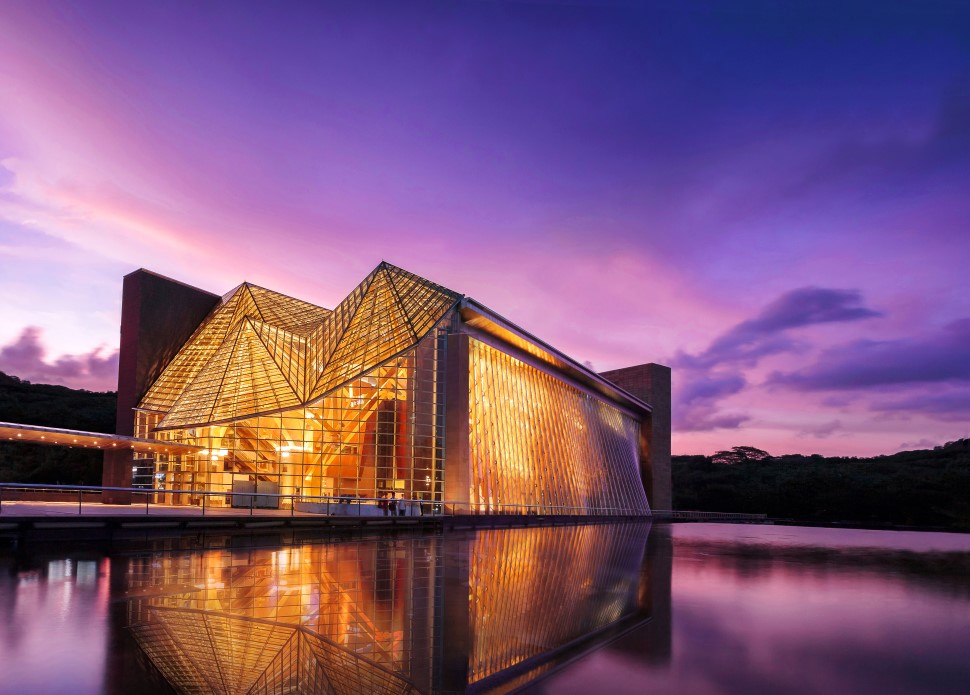
Image courtesy of Shenzhen Concert Hall
Shenzhen has transformed from a small fishing town into one of China’s most dynamic and innovative cities. How has Shenzhen Concert Hall evolved alongside the city’s remarkable growth?
Twenty years ago, Shenzhen’s rapidly expanding economy and vibrant urban energy gave rise to an urgent need for high-quality public cultural arts spaces. Shenzhen Concert Hall emerged in response, filling the gap for a dedicated venue for high-caliber classical music performances and fundamentally reshaping the city’s cultural infrastructure. In December of that year, Zubin Mehta led the Israel Philharmonic in our inaugural performance. He later told journalists: “China has a fantastic concert hall in Shenzhen.” In March 2025, at nearly 90, he returned for a third time, “Shenzhen is a very fortunate city to have such a beautiful concert hall. I experienced marvelous acoustics and saw wonderful audiences here. I can’t wait to return again.“
Over the past 18 years, we have grown from a local venue into a regional hub. In our early years, we focused on introducing international orchestras and soloists to build a local classical audience. As Shenzhen developed into a core engine of the Greater Bay Area, we expanded our role to include international cultural exchange. With Shenzhen hosting APEC 2026, we have curated Asia-Pacific arts programmes and cross-cultural events that reflect the city’s open and inclusive character.
Today, we host over 300 events annually, 90% classical concerts and serving more than 400,000 visitors. Major orchestras like the Berliner Philharmoniker, Wiener Philharmoniker, and Lucerne Festival Orchestra, alongside artists such as Gustavo Dudamel, Lang Lang, and Yuja Wang, have all performed here. Shenzhen Concert Hall has been recognised among China’s top venues for vibrancy and influence.
Shenzhen is often associated with technology and innovation. How does the Concert Hall balance artistic excellence with innovation in audience engagement, programming, and venue operations?
Our core principle is simple: artistic excellence comes first, and innovation serves the art, not the other way around.
In programming, we continue to bring the world’s leading orchestras and musicians to Shenzhen, while also nurturing local talent through public performance series like Beautiful Sunday and Afternoon Music Tea.
In audience engagement, we use AI to analyse audience demographics and preferences, helping us tailor marketing content and channel strategies.
In venue operations, we partner with local tech companies to create “arts + tech” experiences. For example, during the Verbier Festival Shenzhen 2026, we deployed digital avatars for multilingual wayfinding and guest services. We also launched NFC-enabled collectible ticket stubs and AI-designed merchandise.
We are careful not to let technology overshadow content. Every innovation is evaluated by whether it helps more people access and appreciate high-quality music.
As one of the region’s leading performing arts venues, how does Shenzhen Concert Hall contribute to cultural exchange and artistic mobility across the Greater Bay Area?
We focus on concrete collaboration rather than broad declarations. We co-founded the Greater Bay Area Theater Alliance with peer venues in Hong Kong, Macau, Guangzhou, and other Bay Area cities. Through this platform, we co-present touring projects and exchange programmes. One example is Youth Music Culture The Greater Bay Area (YMCG), co-organised with the Guangzhou Symphony Orchestra, Xinghai Concert Hall, Macau Orchestra, and Hong Kong Philharmonic Orchestra. Daniel Harding serves as Artistic Director and Principal Conductor, with principal players from top global orchestras as mentors. Young musicians are selected from leading conservatories and professional orchestras worldwide, train together in winter, and tour across the Bay Area. We also partner with Hong Kong’s Leisure and Cultural Services Department to present a month-long “Hong Kong Month” at our hall each year, featuring Cantonese music and Hong Kong-style performances for Shenzhen audiences.
Beyond performances, we partner with institutions like the Xinghai Conservatory and Hong Kong Academy for Performing Arts to provide platforms for young artists. We also share operational expertise with peer organisations through regular exchange meetings on venue management and youth programming.
What do you see as the biggest opportunities and challenges facing performing arts venues in China and the wider Asia-Pacific region in the next ten years?
Opportunities:
Regional integration. APEC and other frameworks are lowering barriers. Cross-border touring, artist exchanges, and co-productions will become routine. Shenzhen’s APEC 2026 hosting gives local venues a direct gateway into this network.
Digital technology. AI, VR, and cloud broadcasting remove physical constraints. Venues can now extend reach through online streaming, digital arts education, and virtual experiences—creating new revenue and engagement streams.
Rising cultural demand. As incomes and education levels rise across the region, audiences want more diverse, high-quality arts experiences—from classical to cross-genre to locally rooted productions.
Local content revival. There is growing appetite for indigenous cultural expressions. Venues can develop original IP based on local traditions, reducing reliance on imported programming and building distinct identities.
Challenges:
Homogenisation. Many venues compete for the same artists and repertoire. Smaller venues struggle to differentiate themselves.
Cross-cultural friction. Programming that works in one market may not translate well in another. Understanding local tastes and communication styles remains difficult.
Innovation vs. substance. Some venues chase tech gimmicks or viral moments at the cost of artistic quality. Maintaining high standards while experimenting is a real tension.
Talent shortage. Few professionals combine expertise in curation, international operations, cross-cultural communication, and digital production. This limits what venues can achieve.
The AAPPAC Conference in Hong Kong this October will bring together arts leaders from across the Asia-Pacific region. What makes this gathering particularly timely and important?
Three things make this conference significant.
First, it marks AAPPAC’s 30th anniversary—a natural moment to review what the network has achieved and set priorities for the next decade.
Second, it follows closely on APEC 2026 in Shenzhen. The region is already in a high-visibility period for Asia-Pacific cooperation. This conference can ride that momentum, connecting arts leaders to the broader diplomatic and economic conversations happening around APEC.
Third, Hong Kong is the ideal host. As a global city with deep international connections and mature arts infrastructure, it can bridge the Greater Bay Area with the wider Asia-Pacific. This creates a rare opportunity to open channels for touring, co-production, and talent exchange between Bay Area institutions and their regional counterparts.
In short, the timing, the location, and the geopolitical moment all align to make this more than a routine industry meeting—it is a chance to reset the regional agenda for performing arts collaboration.
What is your vision for Shenzhen Concert Hall over the next five to ten years?
Our goal over the next decade is straightforward: to be a first-tier classical music venue—recognised in China, connected across the Asia-Pacific, and respected globally.
To get there, we are focusing on four areas:
Artistic quality. Continue presenting the world’s best orchestras and musicians, while also developing our own productions and nurturing local talent.
International partnerships. Build deeper, more regular exchange programmes with venues across the region—co-productions, touring circuits, and shared training initiatives.
Digital capabilities. Expand our online presence and use technology to enhance both the on-site and remote audience experience, without compromising the live music experience.
Community engagement. Strengthen our role in arts education and accessibility, making sure that as we grow, we remain a resource for Shenzhen’s broader community.
We are not aiming to be the biggest. We are aiming to be essential—to our city, to our region, and to the global classical music network.