
Five Minutes with Tania Frazer
Every year the ensemble presents a series of three concerts at Queensland Performing Arts Centre (QPAC) which are presented in reverse mode with the audience on the stage.
Reverse Mode refers to concerts that are presented with the audience seated in close proximity to the performers on the Concert Hall stage. This seating arrangement is known as reverse mode and creates an intimate and relaxed atmosphere especially well suited to the performance of chamber music.
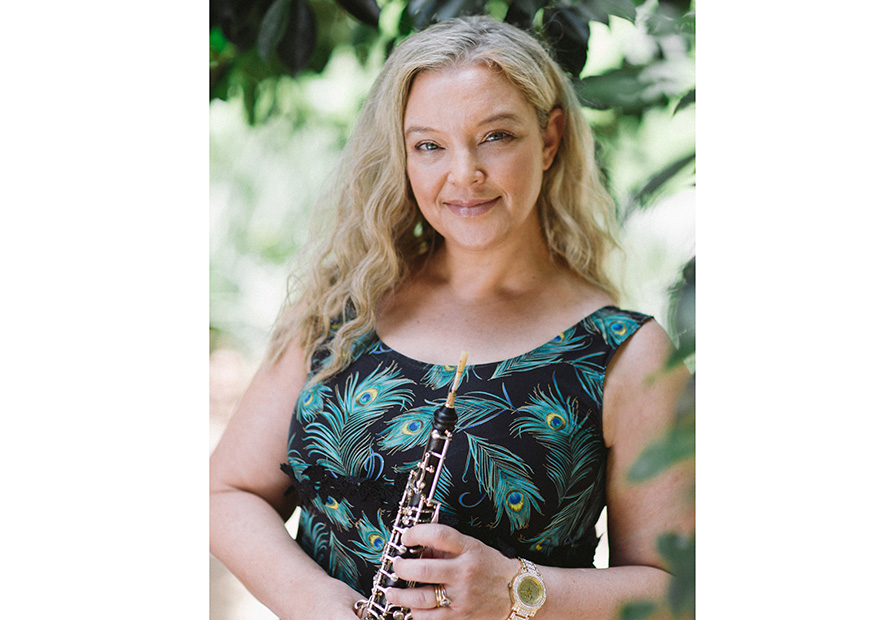
Tania Frazer (Photo credit: Stephen Henry)
How did SXS commenced as an ensemble? And how are they different from other chamber music ensembles?
SXS started as a group of friends wanting to play high quality chamber music together. This is actually the basis of what chamber music is really all about: playing music together in a natural music democracy where everyone is equal; there is no hierarchy or conductor; and everyone is responsible for listening, reacting and conversing as one.
SXS as it is today evolved from many past ensembles. Some of us played together in a wind quintet when I was a teenager, including Paul Dean, SXS former AD. Paul then started a wind octet out of that ensemble, and finally, it became a mixed sextet in 1995 that included piano and soprano which was officially the first ‘Southern Cross Soloists’.
We have now evolved yet again into a septet that includes violin, cello, flute, oboe clarinet, horn and piano. We also often play with other guest instruments to keep lots of sonic variety in our ensemble’s sound and the flexibility to explore interesting repertoire in each of our concerts.
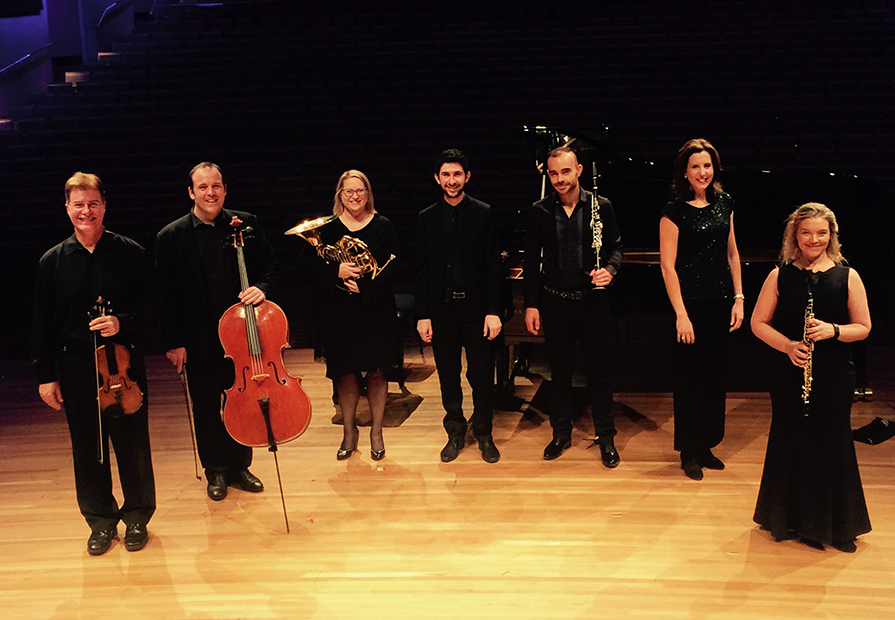
SXS on QPAC Stage
SXS is an ensemble of virtuoso soloists who play together as one, which is actually very difficult to achieve and is at the heart of great chamber music performance. However, all the members of SXS are actually soloists and virtuosos in their own right. This creates an ensemble where any one of the musicians could stand up and play a concerto, which makes us very unique in Australia and in the world.
Can you tell us more about the two upcoming works, Maps and Journeys and Lyrical Reflections?
Concert 2 on 21 Jul is called Maps and Journeys: Navigating by the Stars. The programme combines music and narration to explore musical works inspired by the concept of navigating by the stars, moon and sun, with a particular focus on aboriginal astronomy – something I didn’t know much about.
Navigation is one of the greatest challenges that man has faced since the beginning of time. With today’s technology, we take it for granted. However, this relatively new phenomenon is the result of centuries of trial and error as humans created ingenious ways to navigate their way by charting the sea, the land and the sky.
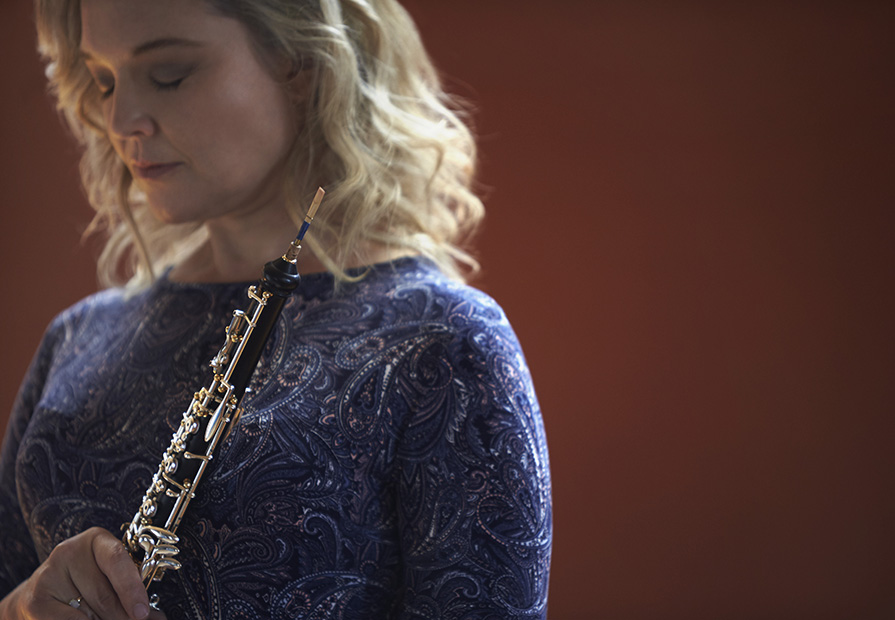
Tania for SXS Season Brochure
Before European settlement, Aboriginal Australians had very rich astronomical traditions and extraordinary navigational abilities as well as their own names for the star constellations. The highlight piece of this concert will be a new work by SXS’s young composer in residence, John Rotar in collaboration with guest didgeridoo soloist Chris Williams called Ginan: Songs of Knowledge. This piece is inspired by the recent renaming of one of the stars of the Southern Cross constellation, Epsilon Crucis, which is now internationally recognised by its aboriginal name ‘Ginan’.
Our final QPAC concert for 2019 is called Lyrical Reflections on 3 Nov. This programme explores how landscapes and environment can shape the arts and our sense of cultural identity. Featuring international violin soloist from NZ, Amalia Hall, the programme will juxtapose musical visions from our British colonial past with our vastly different Australian landscapes, bushland and panoramas that inspire Australian artists and composers as well as forming a major part of our own cultural identity today.
Who are some of the favourite guest artists that SXS have worked with?
We have so many that it is really hard to choose – we love to invite all kinds of intriguing and new amazing guest artists to introduce to our audiences for the first time. We often bring artists to Australia for their first visit to our shores, such as mandolin soloist Avi Avital, virtuoso trumpet player Miroslav Petkov and erhu master George Gao. It is always exciting to work with guest musicians that you don’t have the opportunity to see on a regular basis – it just adds that extra electricity, that extra buzz on the stage during the performance that the audiences can really feel and connect with.
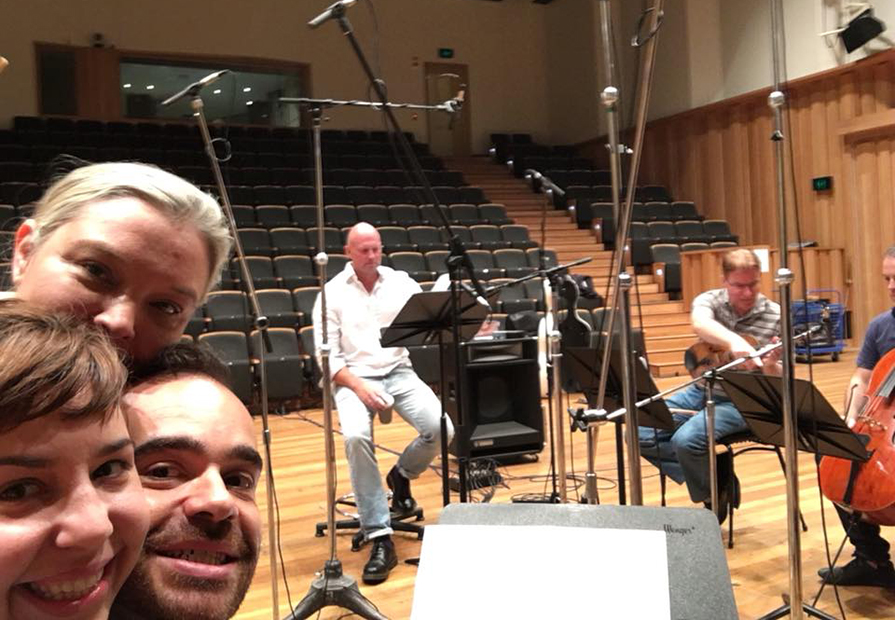
SXS group selfies during Teddy Tahu Rhodes & SXS recording for ABC Classics
Other guest artists we love to regularly work with include Teddy Tahu Rhodes, Sara Macliver, Alexandra Flood, Slava Grigoryan, Li Wei Qin, Amalia Hall, Damien Beaumont, Piers Lane and Jayson Gillham.
Performing in Reverse Mode sounds really interesting! Please tell us more about what audiences can expect.
We love it and it is really part of the overall atmosphere of coming to a Southern Cross Soloists concert. A major part of our unique performance style is the intimacy of our concerts and our unique connection with the audience. In the reverse mode, the audience is extremely close to the performers on the stage. This creates a very intimate atmosphere and brings the audience in as part of the actual performance. It allows us to talk directly to them and it makes our concerts almost have the same feeling as the original 19th century concept of ‘chamber music’, where chamber music originated as intimate house concerts in the drawing rooms of Europe.
What is your idea of perfect happiness?
Having an entire weekend with nothing to do and no obligations.
What is your greatest extravagance?
The very few occasions that I have flown business class. If I could afford it (which I can’t), I’d just get on a plane and fly business class even if I had nowhere in particular to go! So I really need to win the lotto……
If you were to die and could choose a person or thing to come back as, what would it be?
This might sound strange, but I’d like to come back as myself and do it all again….. but this time with all the benefits of modern technology and communication, and with the hindsight that I don’t need to stress – everything works out it in the end.