
Highlights of the 2019 AAPPAC Manila Conference
The CCP hosted the annual conference of the Association of Asia Pacific Performing Arts Centres (AAPPAC) from 20 to 22 Sep. AAPPAC 2019 was one of the three flagship events of the Manila International Performing Arts Summit (MIPAS) organised by the CCP; along with two other major events, the Federation of Asian Cultural Promoters (FACP) Conference and the Manila International Performing Arts Market (MIPAM). This landmark occasion coincides with CCP’s milestone 50th anniversary celebration.
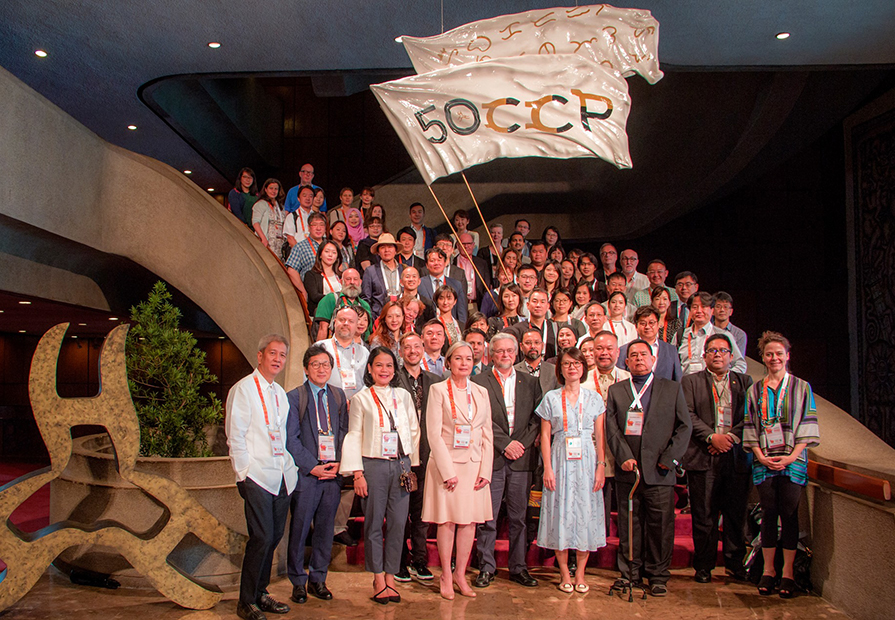
Photo credit: Cultural Center of the Philippines
With the conference theme, Epicenters of Creativity: Generating Waves, Harnessing Crosscurrents, the three-day conference, which took place at the CCP and other partner venues, gathered 137 attendees (84 from AAPPAC member-centres, 9 from FACP and 44 local counterparts). The conference delegates from AAPPAC came from a total of 44 member-centres/organisations, representing 59% of the total membership.
DAY 1
The Opening Programme featured “Limang Alay”, a Filipino Offering Ritual participated by the CCP Chairman of the Board of Trustees, Ms Margarita Moran-Floirendo, CCP Artistic Director and Vice President, Mr Chris Millado and the AAPPAC key officials in attendance (Mr Douglas Gautier AM, Ms Guo Xiao Lan and Ms Rachelle Tan). The CCP Little Theatre was filled with music and dance as the Coro San Benildo and Centro Escolar University Folk Dance Troupe rendered their pieces, including the premiere of an original song dedicated to the AAPPAC 2019 Manila conference entitled, Bridging the Asia Pacific.
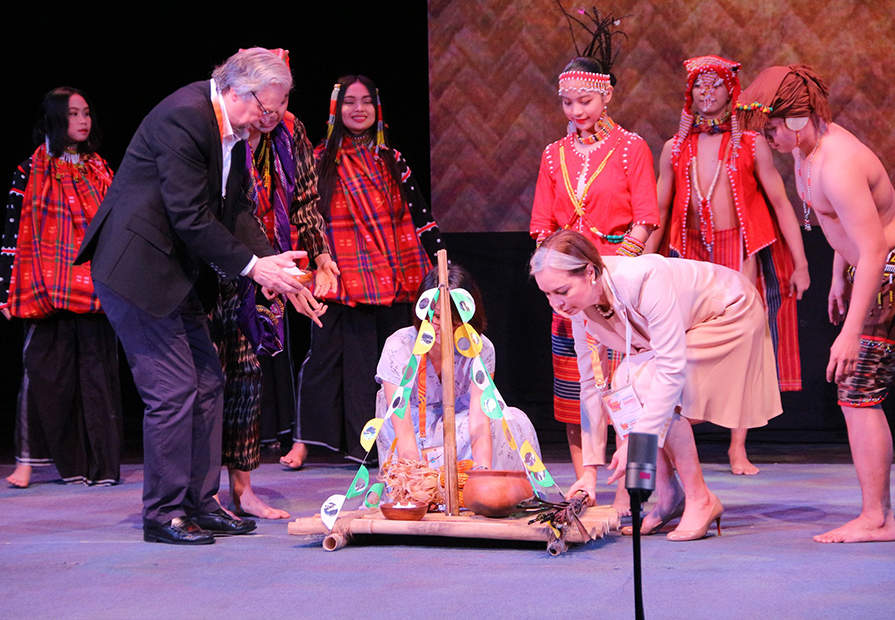
Photo credit: Cultural Center of the Philippines
Right after the short programme and taking of the traditional AAPPAC Family Photo at the CCP Main Theatre Lobby, guests were shepherded through a tour of the CCP building conducted by docents in the different fields of arts. “If These Walls Could Talk”: Interactive Tour of CCP Venues allowed the delegates to visit every nook and cranny of the building with facts and trivia about the spaces.
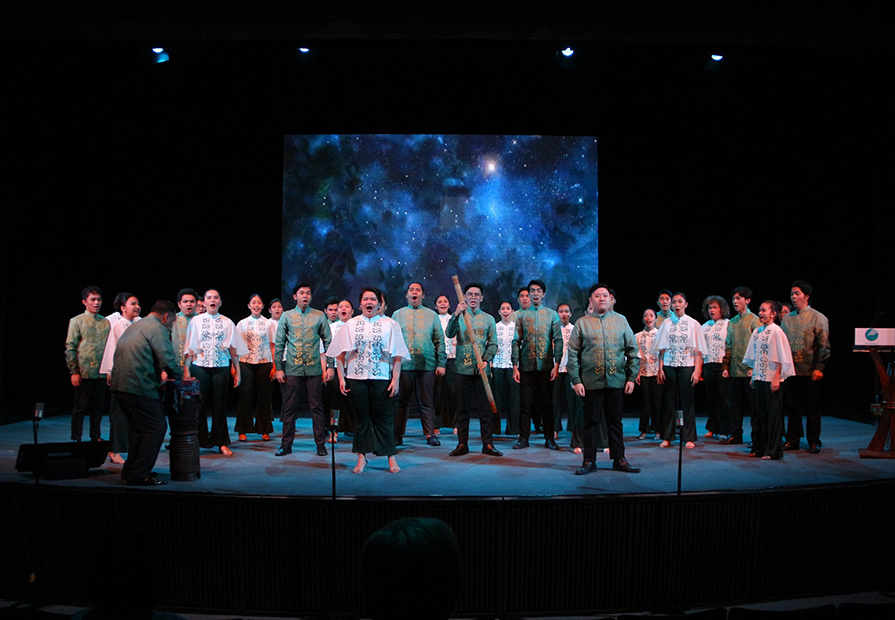
Photo credit: Cultural Center of the Philippines
Session 1 – Cultural Diplomacy was moderated by the AAPPAC Chair, Mr Douglas Gautier AM and keynote address by Mr Jaime FlorCruz, Former Bureau Chief, CNN Beijing and Adjunct Professor of Peking University, China. The session mainly discussed the role of culture and arts as enablers of intercultural relations and dialogues. In response, Mr FlorCruz called for more engagements, investments in tangible and intangible cultural resources and the need for more cultural workers, and open-minded leaders. He also urged everyone to preserve the best in our own native cultures, keeping the doors firmly open, embracing the good and rejecting the bad (influences). Mr Gautier added that cultural diplomacy reveals the soul of a nation which in turn creates influences that is benefitting to all.
Session 2 – Arts Philanthropy, in a nutshell, presented creative ways and means of attracting public and private giving to the arts. It was held at the new CCP Black Box Theatre which was donated by a Filipino businessman and philanthropist, Ignacio Gimenez. Key ideas that were pushed forth were: fundraising does not work without a plan and a strong narrative, and that companies must transform and be creative in doing business, and work out sustainable programmes that would mutually benefit the donor company and the recipient organisation. During the open forum, it was also raised that donors give to see results and appreciate updates; thus, it is crucial to keep them engaged to sustain the relationship.
The rest of the day was spent with more performances including a fellowship dinner with FACP delegates at the National Museum of Natural History and capped by the CCP Anniversary Gala performance.
DAY 2
The 2nd day of the conference was held at the Philippine International Convention Center (PICC), a partner venue of the CCP located within the CCP Complex.
Session 3 – Technology and the Performing Arts was in the spotlight when keynote speaker, Mr Ignatius Jones AM, Creative Director of Vivid Sydney, took on the podium and started engaging the delegates in his visually-arresting video presentations on the interactive use of smart technology to bring back ‘magic’ for people who are no longer awed by CGI-filled movies. However, he also argued that technology must not be more important than the story. It need not be expensive; it just has to be smart because the use of technology is always in the context of art.
This was followed by a visit to the Manila International Performing Arts Market (MIPAM) – It was an opportunity to watch more Filipino performing groups and the West Australian Ballet during their snippet performances at the CCP Little Theatre.
The afternoon started with the AAPPAC Connecting Series facilitated by Ms Liz Hawkins of the Adelaide Festival Centre. Of 12 proposals, five were shortlisted and given a chance to be presented during the session:
- Mourning the Nameless – Cultural Center of the Philippines
- Encounter – Eko Supriyanto × Watan Tusi – National Theatre & Concert Hall
- Painted Skin – Esplanade, Theatres on the Bay
- Hung Tung’s Fantasy – Kaohsiung Center for the Arts
- Tu Meke Tui – Auckland Live
Session 4 – The Rise of Small, Independent Performing Arts Spaces ushered in points on how small venues play a niche, but vital role in providing a platform for closer community engagement and experimentation. It has become an alternative to more established venues, allowing art to be accessible to a greater number of audiences. The unanimous concern about low audience turn-out and commercial programming as the key contributing factors to the ebbs of legitimate/large theatre spaces, were also noted.
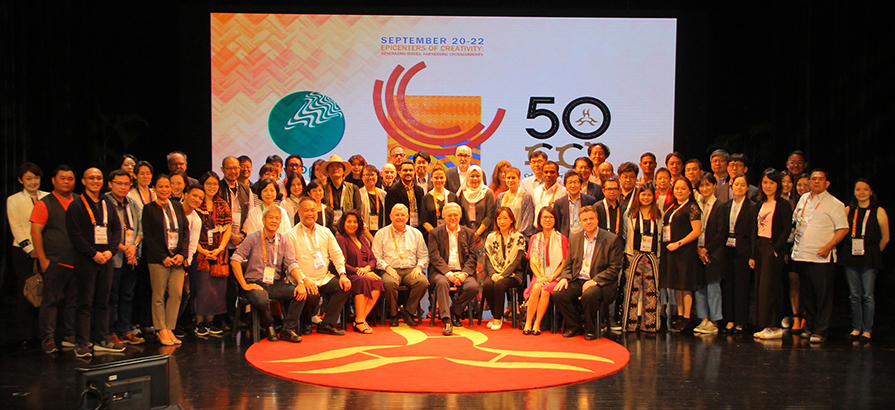
Photo credit: Cultural Center of the Philippines
Session 5 – The Impact of Arts and Culture Districts on Cities was the last session of the day. Mr Duncan Pescod, CEO of the West Kowloon Cultural District, moderated and shaped the session by asking each discussant, “What would you say is the impact of culture districts in the development on cities?” Below are the inspiring responses that came out:
- Culture Districts boosted and stimulated creativity amongst the people in the community
- Impact of future developments will be on the expansion of programmes and creation of jobs
- Number of artists engaged and geographies are indirect indicators of the impact to the community
- Box office returns are indicators to the economic impact of Cultural Districts
- Number of interested partners is a good impact indicator
- Business and the arts should co-exist for mutually beneficial reasons
- Development of artistic facilities are beneficial to commercial developments because of the clientele that they can derive from the programmes
Day 2’s hectic yet fruitful schedule was fittingly concluded by a hosted dinner reception at The Theatre @ Solaire, the newest AAPPAC member-centre from the Philippines. A brief tour of the theatre space was also given to interested delegates after the choreographed sit-down dinner onstage.
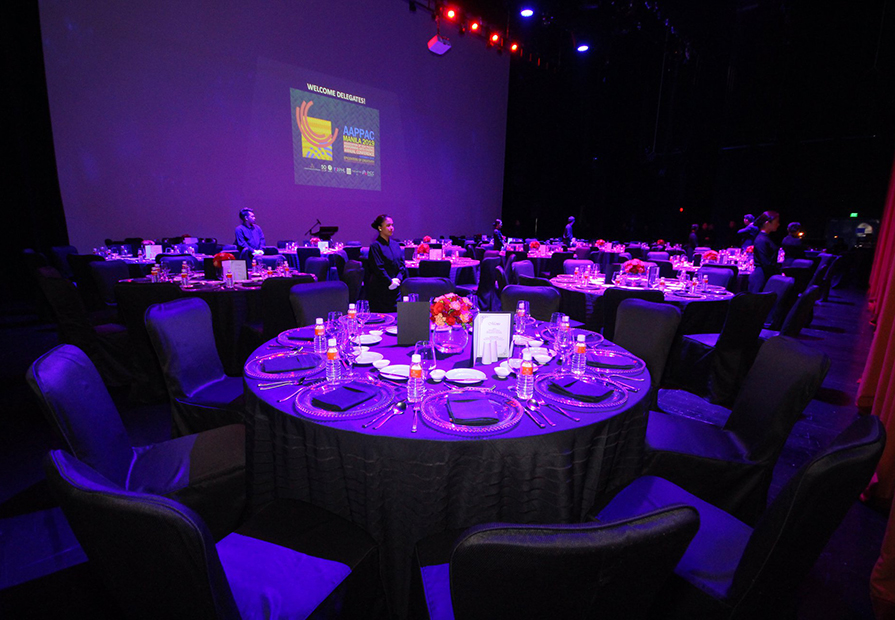
Photo credit: Cultural Center of the Philippines
DAY 3
The final day of the conference had the De La Salle University, College of Saint Benilde – School of Design and Arts (DLS-CSB, SDA) as its venue. The delegates were welcomed and entertained by student performers from the CSB Bachelor of Performing Arts in Dance and the School of Deaf Education and Applied Services: Accessibility in the Performing Arts. The dance pieces were poignant and powerful for an early morning presentation.
Session 6 – Partnering for Industry: The Academe and Performing Arts Centres gathered academicians on board. The keynote address speaker, Mr Nestor O. Jardin, Former Chairman of the Board of Trustees, DLS-CSB, Member of the Board of Trustees, CCP, Former President and Artistic Director, CCP, framed his talk on how performing arts centers and academe could partner to help develop the creative industry. He expounded on making the arts viable to ensure sustainability.
Other ideas from the body that surfaced were the fusion of arts and media, education and movement for climate change, artists’ responsibilities in serving their country and for the betterment of mankind through their creations.
A tour of CSB Museum of Contemporary Art and Design preceded the breakaway sessions composed of the AAPPAC Annual General Meeting and Business Circle Meeting. The members came together, once more, during the AAPPAC Dialogue that segued to the Conference Hosting Turn-Over Ceremony and the Presentation of the 2020 Conference Host, Taipei Performing Arts Center (TPAC). The ceremonial handing over of the AAPPAC flag by CCP to TPAC was done as part of the closing programme. A video presentation of the highlights of the 3-day conference was also shown.
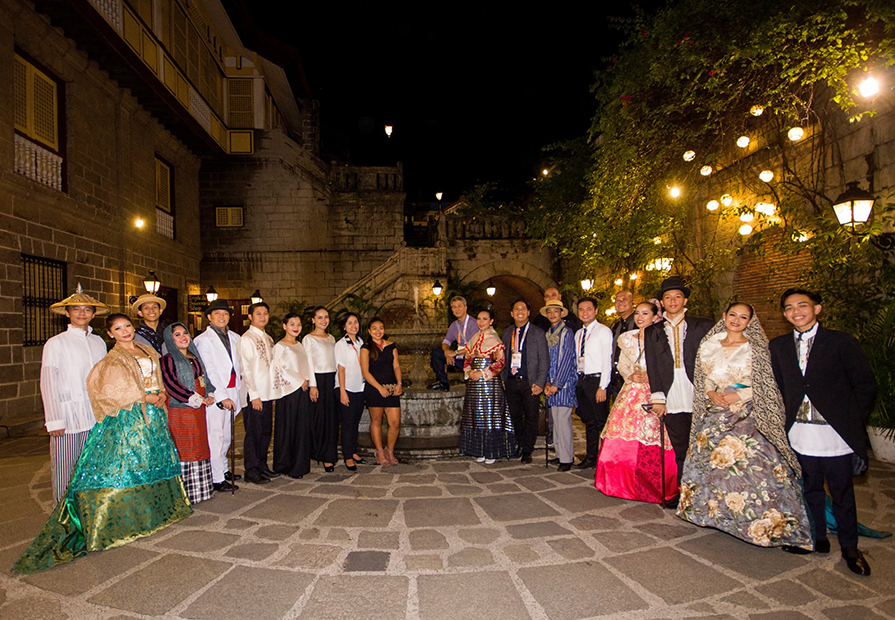
Photo credit: Cultural Center of the Philippines
The conference ended with the TERTULLA and Farewell Dinner at the Casa Blanca Intramuros Heritage District. The reception was done in the tradition of a Spanish Tertulla where dancers wove between the guests in traditional costumes while native Filipino dishes were served. The communal dancing of the “Tinikling”, a traditional Philippine folkdance that uses bamboo poles imitating bird movements through dance capped the said final conference event, to the delight of everyone.
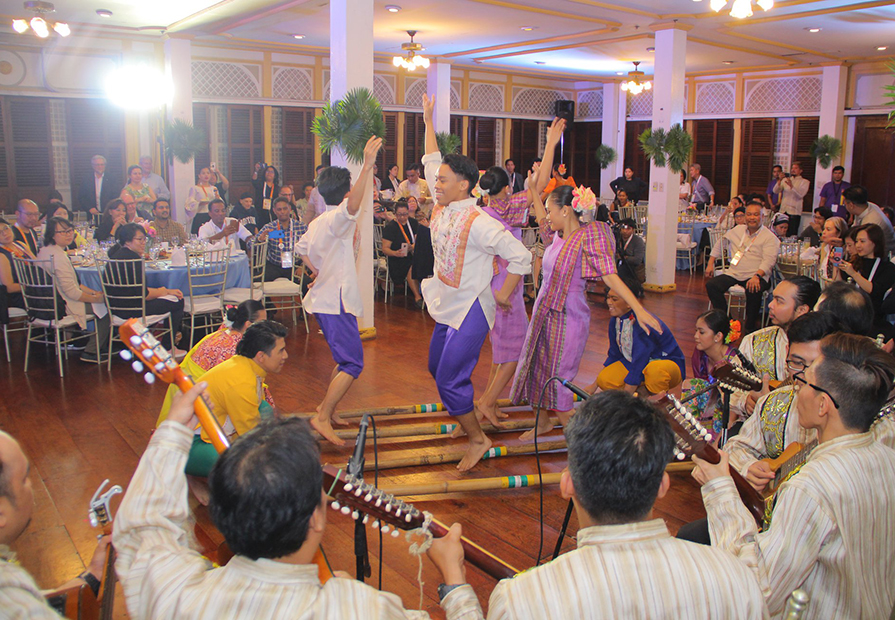
Photo credit: Cultural Center of the Philippines
“Maraming Salamat”! We sincerely thank everyone for gracing the AAPPAC 2019 Manila Conference. As a pioneer member of the organisation, your presence meant so much to CCP. We hope you brought back home, not just your Manila conference experience, but also a piece of the unique Filipino hospitality. It was an honour having you in the Philippines.
We wish the organisation and all the members, success in all its future endeavors.
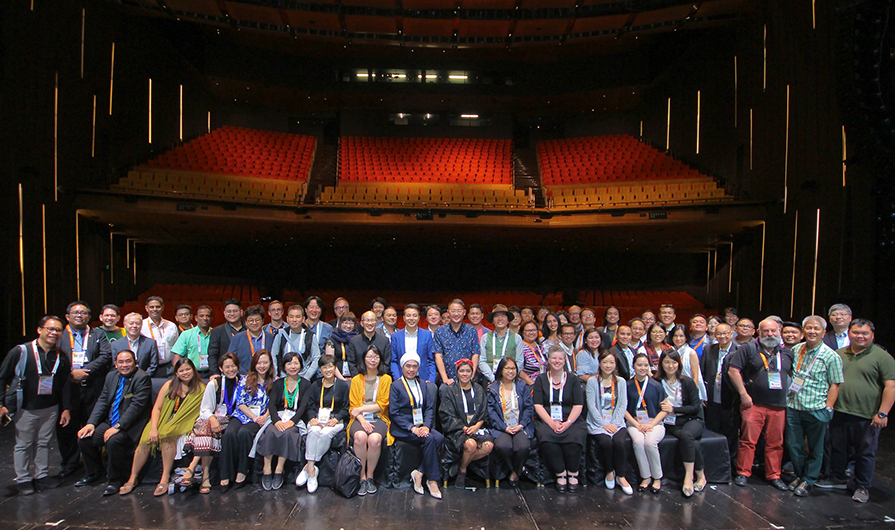
Photo credit: Cultural Center of the Philippines
See you next year in Taipei!
Link to the photo album, video and session annotations:
https://drive.google.com/open?id=1q77Xf8fnuUcn0ig2YD6L96WFrcCC_9zu