
Up Close & Personal – An Interview with Daniel Clarke, newly appointed Director, Performing Arts at Tataki Auckland Unlimited, leading Auckland Live
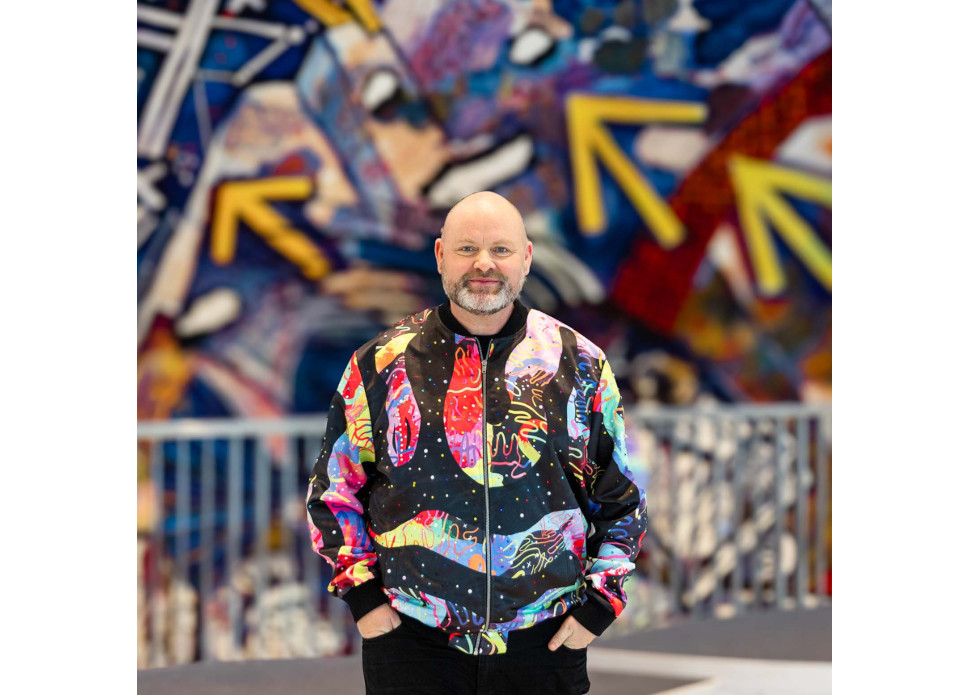
Daniel Clarke
Congratulations on the new appointment! What are you most looking forward to in this new role?
Thank you. I am looking forward to immersing myself in the incredible arts and culture of Aotearoa and working together with the diverse communities of Tāmaki Makaurau Auckland, to make sure the performing arts shines across the city. Having not lived in Aotearoa previously, this period of discovery and getting to know the creative communities and our audiences is very stimulating. I was also asked to think about the city as a stage which for me is very inspiring. Not confining the presentation of performances, events and experiences to our venues but thinking more broadly across the region and its beautiful locations.
You have worked in many different roles in the arts across Australia and UK – tell us how your experiences have shaped the way you approach work and leadership today.
Collaboration is key for me. I am always thinking about who could collaborate on a project or creative program to ensure its success. Developing the right partnerships to make sure a project can thrive – not only creative partners, but community partners, corporate partners, government partners etc. I’ve also now worked in four major arts centres and I think that it is vital that we ensure the processes that exist within these cultural organisations remain flexible and nimble; to be able to adapt to the needs of different communities. I also want to make sure my team feels supported and that they can thrive in their roles; that they feel challenged to develop and stretch themselves and feel encouraged to be brave and take risks.
Access, equity and inclusion are key values of mine and underpin a lot of my leadership goals. Looking at how we can remove barriers for audiences and artists to engage with the arts is really important to me. A multiplicity of voices in the curation of programmes is vital.
What are some changes you hope to bring to the programming direction at Auckland Live?
I feel very lucky to come into an organisation that has had such incredible leaders and advocates for the arts prior to me arriving. The people that I work with care deeply about making sure audiences in Tāmaki Makaurau Auckland experience the best live performances. One of the things I have been tasked with is to consider how Auckland Live might work across the region, not just in our venues. I find this exciting, having worked in a number of festivals, placing performance and art in public spaces to activate a city is very interesting to me. I want performances to pop-up in surprising locations to create experiences that someone who might not want to go into a theatre or concert hall will connect with. Building on the work of previous leaders I want to continue to make sure that our stages and events are by and for the diverse cultural communities of Tāmaki Makaurau – with almost 50 per cent of the population in Auckland made of Māori, Pasifika and Asian peoples – our programme must reflect this.
What has been your experience of the arts and cultural scene in New Zealand?
I have been immersing myself in the arts and cultural scene since arriving in Aotearoa five months ago – seeing as much performance, film and visual arts as I can. I truly am feeling very inspired by the works I have seen and artists that I have met. I already feel very passionate about getting some of the works that I have seen into the global market. It is such a unique part of the world, and I have been particularly impacted by the art and performances that I have seen by Māori and Pasifika artists and other BIPOC artists across the city. There has also been some very strong intersectional works that could only be told by the artists of Aotearoa and these have been deeply engaging and compelling. The other exciting thing is that audiences are out and seeing things; attendance at Auckland Live events in 2024 was higher than 2019.
Tell us one interesting thing about you that most of your colleagues do not know about.
I don’t think many of my colleagues would know that I played so many different sports as a young person. Growing up in Australia in a very sports-focussed culture I did swimming, surf lifesaving, baseball, soccer, tennis, AFL, gymnastics, hockey, athletics, cricket, volleyball and basketball to name a few. In fact, my first job as a 13-year-old was as a basketball referee. I often won most improved or best effort – which does say a lot about my skill level. 😊
At what point did the arts become a major part of your life?
From the age of seven I became focussed on working in the arts. I clearly remember when I was seven, sitting in our lounge room, on our red carpet, watching Mary Poppins, and when it finished, turning to my parents and saying: “I want to be an actor”. I’m not sure what it was about that film … maybe all the imaginative possibilities it presented … maybe it was Julie Andrews … maybe the colour and joy she brought into those children’s lives … I’m not sure. But my parents were completely supportive of my dream and not so soon after that would drive me on a two-hour round trip every Saturday morning to attend drama classes. From then I was hooked and involved in the arts to this day.
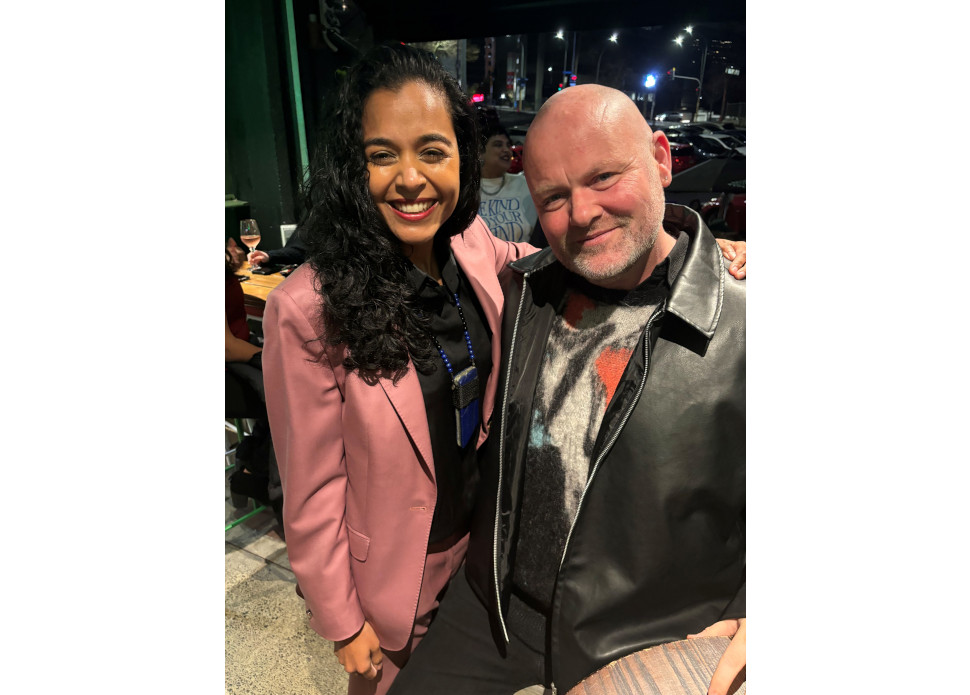
Dione Joseph, Founder of Black Creatives Aotearoa and Daniel Clarke at opening of ANTI by Keegan Carr Fransch at Basement Theatre
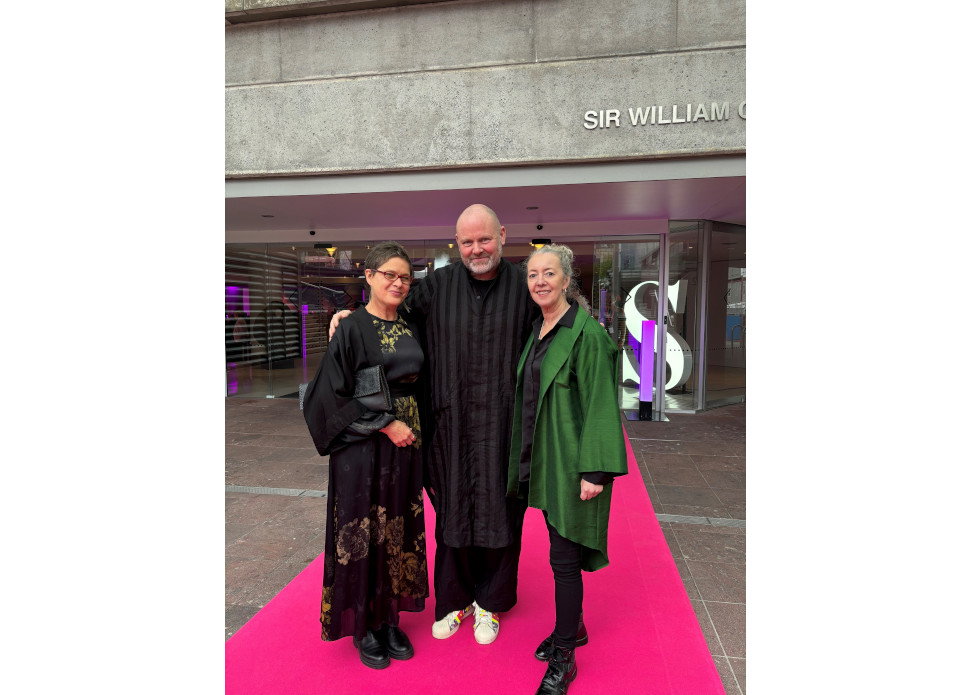
Helaina Keeley, Daniel Clarke and Pam Ford at Aotea Centre (Auckland Live Venue) for the Laurete Awards. Auckland Live is a sponsor of the event