
An Interview with Kim Ji-kwang – Director of Gongju Cultural Arts Center
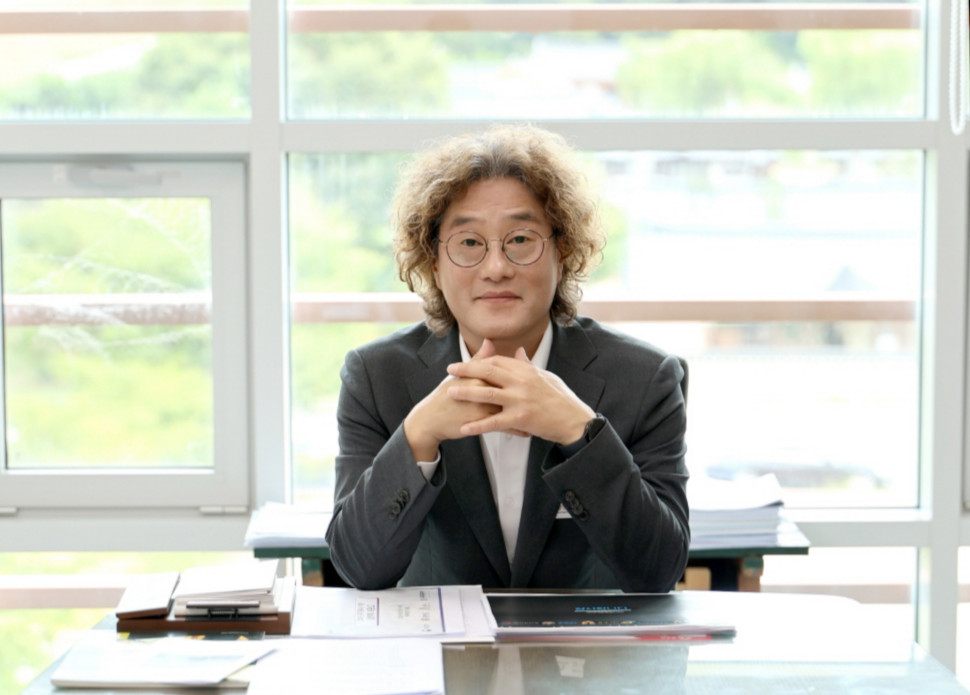
Kim Ji-kwang
Welcome to the AAPPAC network! Tell us a bit more about Gongju Cultural Arts Center and the role you play for the communities within and beyond Gongju.
Gongju Cultural Arts Center is a representative cultural venue that provides high quality performances and various cultural programmes to the citizens of Gongju and the Chungcheongnam-do community. I would like to strengthen the cultural identity of Gongju through this space as I believe art has the power to impress and inspire. Gongju is the center of the Baekje culture and has the tradition of being an education city. Based on this background, we are running various performances, exhibitions, and educational programmes to bring the arts more closely to our local community. Furthermore, we are cooperating with local artists to support their creative activity and making an effort in discovering unique cultural contents of Gongju that can be associated with tourism.
What are some key highlights for the center for the past 30 years since its opening?
For the past 30 years, Gongju Cultural Arts Center has played a central role in developing the local culture. Our key highlights include the development of original theatre plays in collaboration with local artists, a series of special planned performances that had a harmonious combination of traditional Korean performances with contemporary art, and other collaborative projects between Korean and international artists. Also, we have enabled our local residents to experience culture and arts more up close through citizen-participatory performances and festivals, and recently we are expanding the scope of performing arts contents by creating an original musical utilising the historical assets of Gongju. We are planning to prepare various programmes in the near future to promote Gongju’s cultural value more broadly and make it easier for our citizens to access and experience cultural arts.
What do you hope to achieve for the center as well as the arts community and audiences it serves in the next 10 years?
In the next 10 years, Gongju Cultural Arts Center will focus on expanding creative spaces for local artists and strengthening cooperation with global cultural networks. While developing original creative contents based on Gongju’s cultural heritage and introducing them both domestically and internationally, we plan to continue finding ways of naturally connecting tourism and culture, such as planning performances and exhibitions affiliated with regional landmarks such as the Gongsanseong Fortress and Jemincheon Stream. Most of all, giving citizens and audiences a deeper understanding of the identity of Gongju through art, and making Gongju become the ‘Living City of Arts and Culture’ is our ultimate goal.
We’re excited to be able to welcome our members to South Korea this October for the AAPPAC Conference. Share with our members what is one thing they must do when they visit!
Gongju is a historical city with the UNESCO World Heritage sites Gongsanseong Fortress and Songsan-ri Ancient Royal Tombs. I would recommend visitors to explore these historical sites where you can experience the breath of Baekje culture firsthand. Also, visiting Gongju Hasuk Maeul (Boarding House Village), which is a recreation of the boarding house culture from the 1960s~70s that played an important role in developing Gongju into an educational city, would allow you to vividly experience the atmosphere of Gongju of that time. Tasting Gongju’s traditional noodle soup dish ‘Kalguksu’ and interacting with local residents would also bring a special experience.
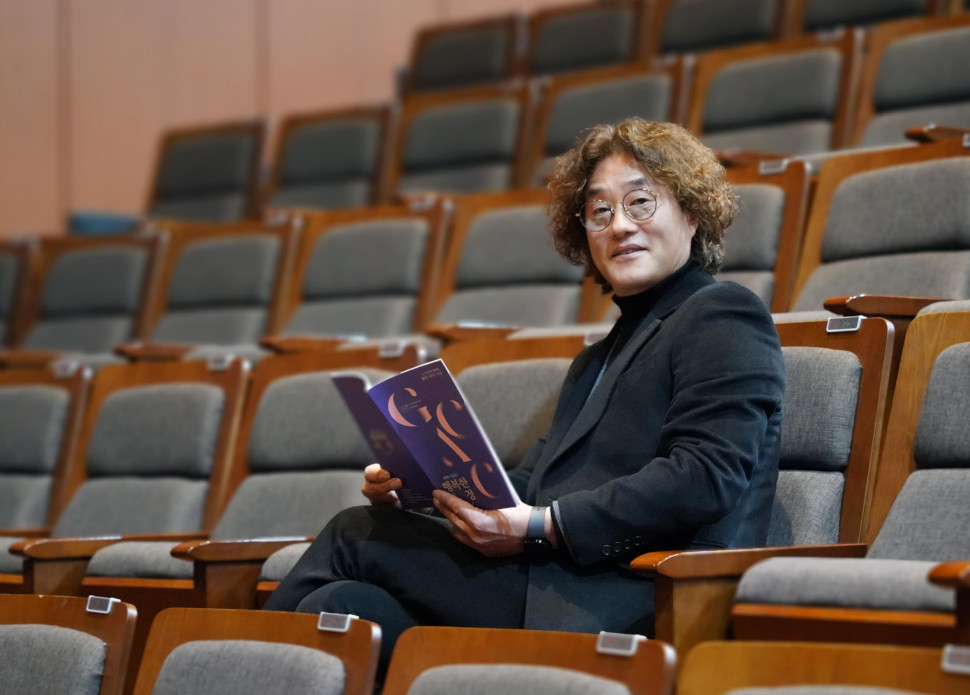
Kim Ji-kwang
Tell us a little about yourself – what were you doing before this and how did you come to be involved in the arts?
I was born and raised in Gongju and grew up encountering the culture and arts of this city naturally. While working as an artist, there was a time when I left Gongju to take on new challenges, but I ended up returning based on my affection for the historical, cultural values that this city carries. I am currently playing a role as a bridge in connecting art and the public through cultural policies, and through Gongju Cultural Arts Center, I am making various attempts to find ways for the citizens to access and enjoy arts more easily.
What is a little-known fact about the city of Gongju?
Gongju is not just a historical city, but also a place where modern culture and nature are in harmony. Especially, the night sky of Gongju is beautiful enough to be known as a stargazing attraction, and the walking trails around Geumgang River provide different charms each season. Also, Gongju is the region with the largest production of chestnuts in the country, which allows you to taste various types of dishes and desserts using locally grown chestnuts from Gongju. In addition, Gongju developed into an educational city in the 1960s-70s and flourished boarding house culture as part of it. The communal living culture formed by students from different backgrounds living in Gongju together has been a prominent element in creating the identity of today’s Gongju more comprehensively.
How do you spend your time when you are not at work?
I love to experience and explore new cultures and ideas through traveling and reading. Watching various art performances gives me inspiration for planning, and sometimes I would come up with new ideas while relaxing in nature. I also find it important to spend time communicating with local residents directly while getting around the alleys and markets of Gongju. Since Gongju is a city optimised for walking slowly and finding stories behind every corner, exploring new cultural possibilities within this city is very meaningful to me.