
UP CLOSE & PERSONAL – AAPPAC 30th Anniversary Edition: An Interview with Ariel Yonzon
As part of our 30th Anniversary Celebrations in 2026, Up Close & Personal will feature individuals who have journeyed with AAPPAC over the years. From shaping professional careers to building long lasting friendships across borders, these prominent AAPPAC members share with us how AAPPAC has impacted them, and what hopes they have for the future.
An Interview with Ariel Yonzon
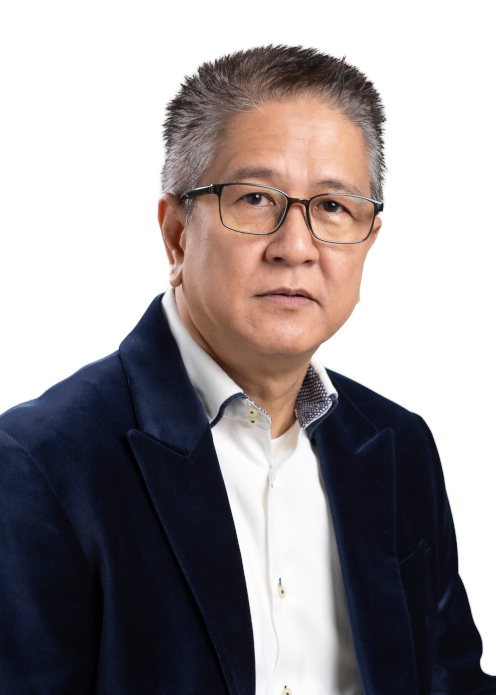
Previously the Associate Artistic Director of the Cultural Center of the Philippines, Ariel has recently retired in Dec 2025 after decades of dedication and service. Ariel has been a long-time supporter of AAPPAC and have enabled greater collaboration and stronger ties between AAPPAC members and the arts community in the Philippines.
Congratulations on a well-deserved retirement! Looking back on your time with the CCP, what would you consider your biggest achievement with your Centre?
I have been with the Cultural Center of the Philippines, even when I was still at university (working as a part-time Theatre Usher), and up until my retirement by the end of 2025. Part of what we have achieved in the last 3 decades include the professionalisation of front-of-house operations (which began as a voluntary, civic undertaking); and, in the past year had a training exchange with the Star Performing Arts Centre in Singapore under the AAPPAC Grant for Training Exchanges), digital iterations of some of our live performances/productions (CCP Channel) and exhibitions (including a virtual museum in 21AM:The CCP 21st Century Art Museum). The AAPPAC network also introduced our centre to artist managers and impresarios of our Associate Members (erstwhile, the Business Circle), providing programming content that did not only bring audiences into our theatres; but, more importantly, putting us back on the regional tour map.
What insights have you gained from your career that you would like to pass on to the next generation of arts managers in the Philippines?
Centres do not thrive in a vacuum; it is essential to sustain active networks and meaningful exchanges through conferences, training programmes, commissioned works, and even venue hire. Ever since we came out of the pandemic, there seem to be a hungrier audience (revenge theatre) looking for content to watch and engage with. Fresh insights from both the creative-artistic sector, as well as from the technical practitioners offer new and emerging experiences for our stakeholders.
“If you build it, they will come.” – does not refer to a venue alone; but to a robust programming of a performing arts ecology (inclusive of content, venues and key players) that is attuned to audience wants and sensibilities, both, local and from the Asia-Pacific region.
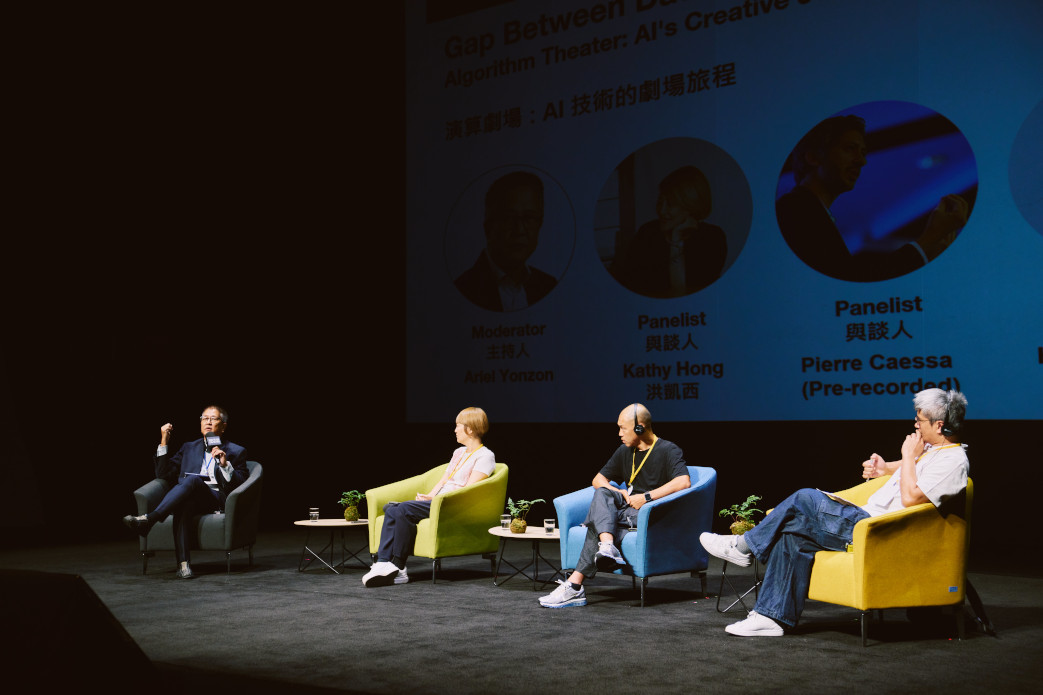
Ariel Yonzon as the moderator at one of the Panel Sessions during the 2024 AAPPAC Conference at Taipei Performing Arts Center. Photo credit: TPAC
You have been a big supporter of AAPPAC in the past years, tell us more about what the network means to you and how it has shaped your career.
The AAPPAC network has provided us valuable insights that we were able to adopt in some aspects of our operations and programming. We learned much from previous conference hosts like Australia, South Korea, China, New Zealand, Singapore and Taiwan, to name a few. We looked at the “Vivid Sydney” winter festival model (as with Adelaide’s OzAsia), and the Opera House or LG or Korea Arts Centre venues and broadcasting/streaming capabilities; compared and contrasted the Melbourne Arts Centre’s resident companies programme with our own; took notes on the renovation of The Maj or the establishment of the TPAC; and, explored possibilities for touring engagements with associates (Flamenco, musical and children’s theatre).
The experience and exchanges helped shape our artistic programming, venue management and marketing our own productions.
As AAPPAC celebrates its 30th Anniversary in 2026, what do you think has been the network’s biggest impact on the performing arts landscape in the Asia-Pacific region?
The association was able to remain relevant and inclusive in the past many years; offering a variety of opportunities for members, as well as levelling the playing field for less established or up-and-coming, smaller centres or touring destinations or programming calendars erstwhile unbeknownst to the circuit. A hub along Manila, Taipei and West Kowloon could well be a strategic route for touring companies from Asia, Australia or Europe. Mumbai is a new addition from India also worth exploring.
What is your fondest memory with AAPPAC to date?
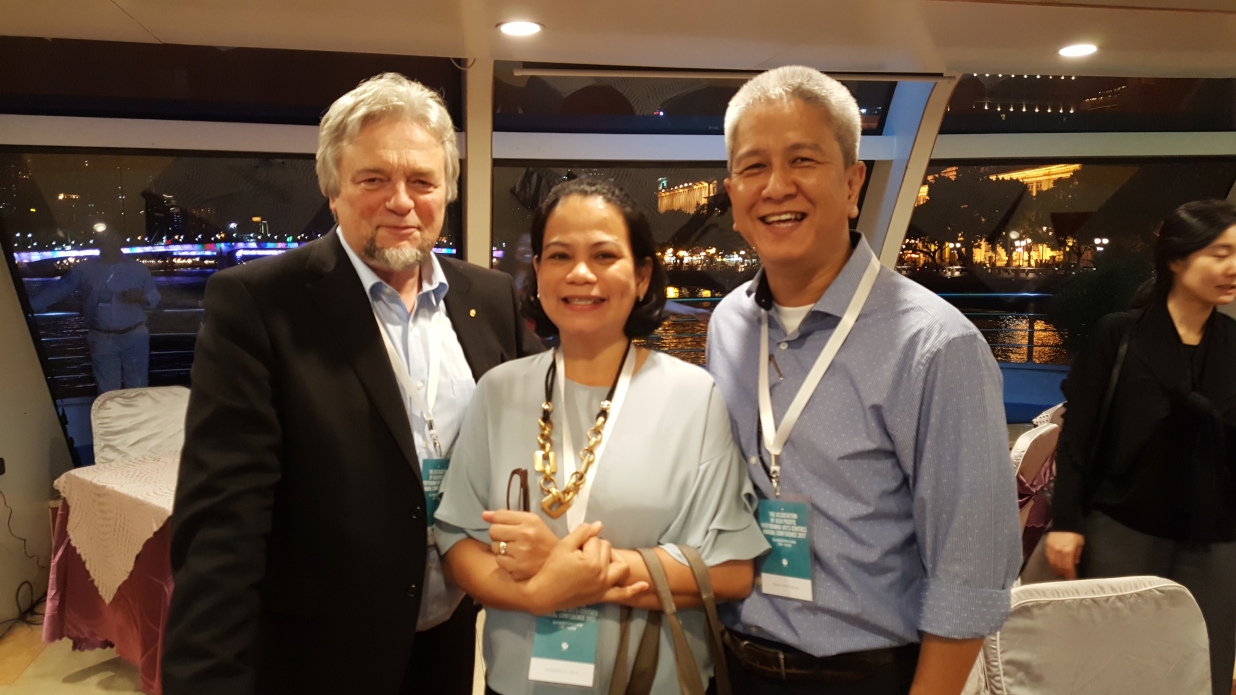
Too many to mention; but the First People’s ritual stands out, as does the greetings to visitors in Auckland or the sanctifying ritual of Brisbane. The Esplanade’s brave, post-pandemic stigma-cancelling conference hosting, not to mention its awesome “Durian” architecture, as the unique ones from Guangzhou, to Taipei, Seoul and Kaohsiung.
And we should never forget the fellowship and goodwill across member-centres who braved the storm in a conference in Adelaide with the power outages in the hotel and logistical nightmare.
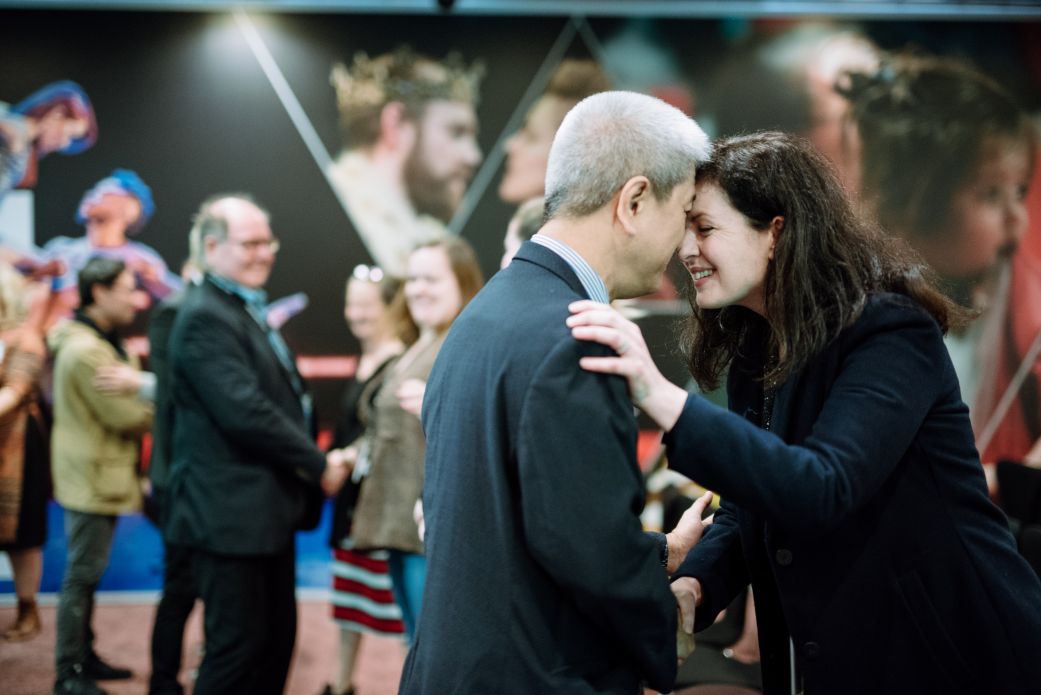
Photo credit: Auckland Live
What is one thing you are most looking forward to in your retirement years?
Maybe, reinvent myself into an AAPPAC Associate Member, so that I can start a new career outside of operations; and, into artist and event management. That way, I wouldn’t have to miss everyone.