
In This Season

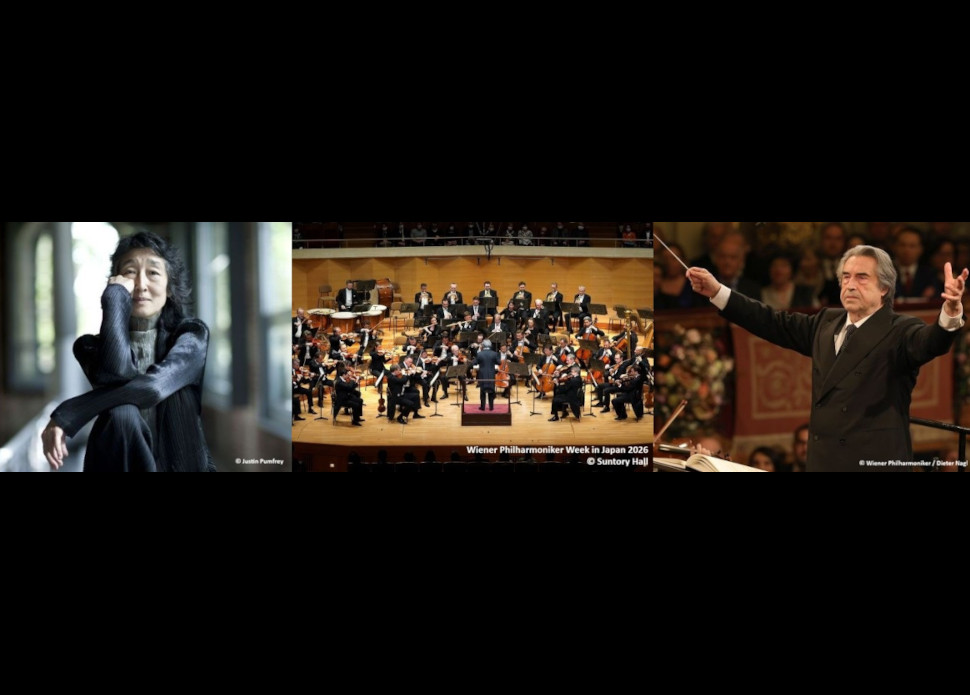
Suntory Hall 40th Anniversary GALA Concert
Suntory Hall 40th Anniversary GALA Concert ...
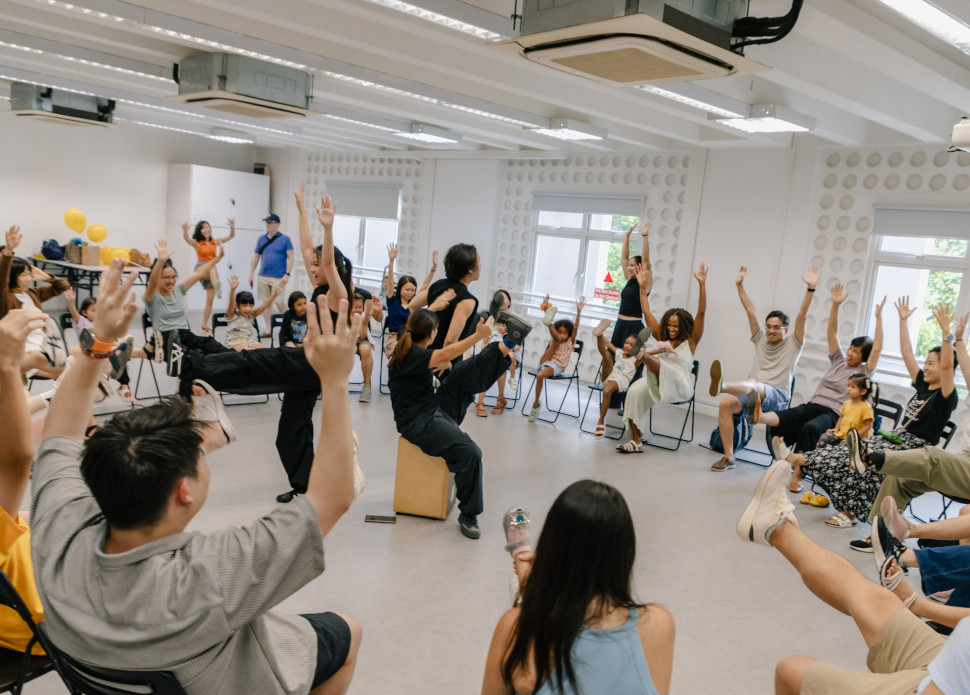
Arts House Group’s programmes for Oct – Dec 2026
Upcoming programmes by the Arts House Group...
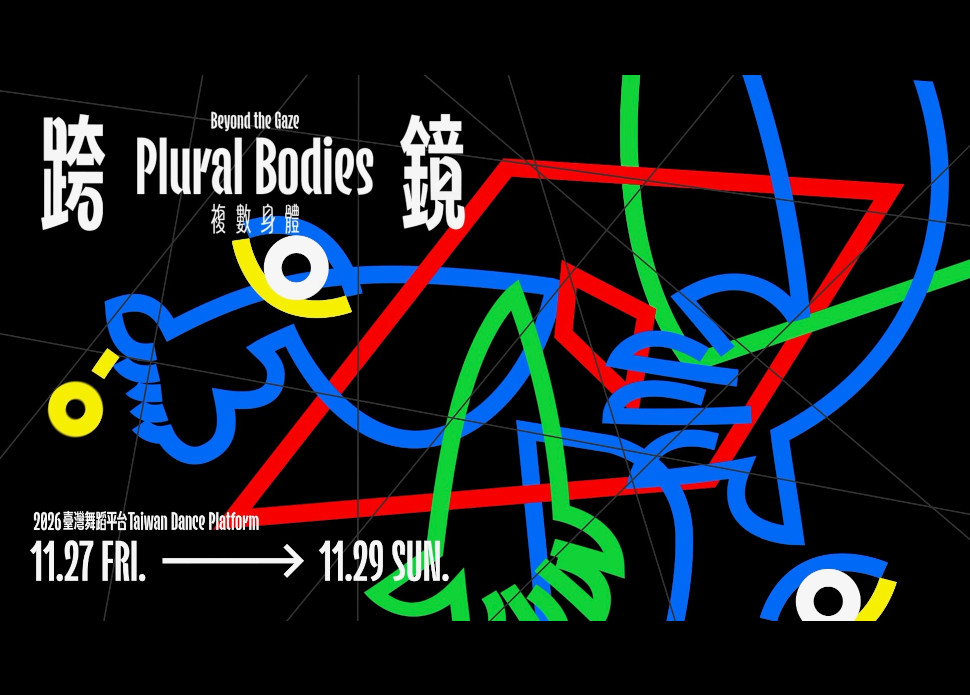
Opening Our Doors to Connect with the World on Weiwuying’s 8th Anniversary
2026 Organ Festival and Taiwan Dance Platform Continue Dialogue with Overseas Cultures...
TPAC Select: Focusing on the What and How of Performance
The Taipei Performing Arts Center (TPAC)’s 2026 TPAC Select series not only focuses on “what programmes will be performed,” but also on “how they will be performed.” Victoria Wang, TPAC’s Chairman and Artistic Director, points out that this year’s TPAC Select series responds to TPAC’s vision of “open for all to see a wider world.” Eight carefully selected programmes touch upon diverse and hidden cultural contexts and historical currents. Within the theatre, audiences will witness how each artist skillfully interprets or faces or provides a retort to their culture and era.
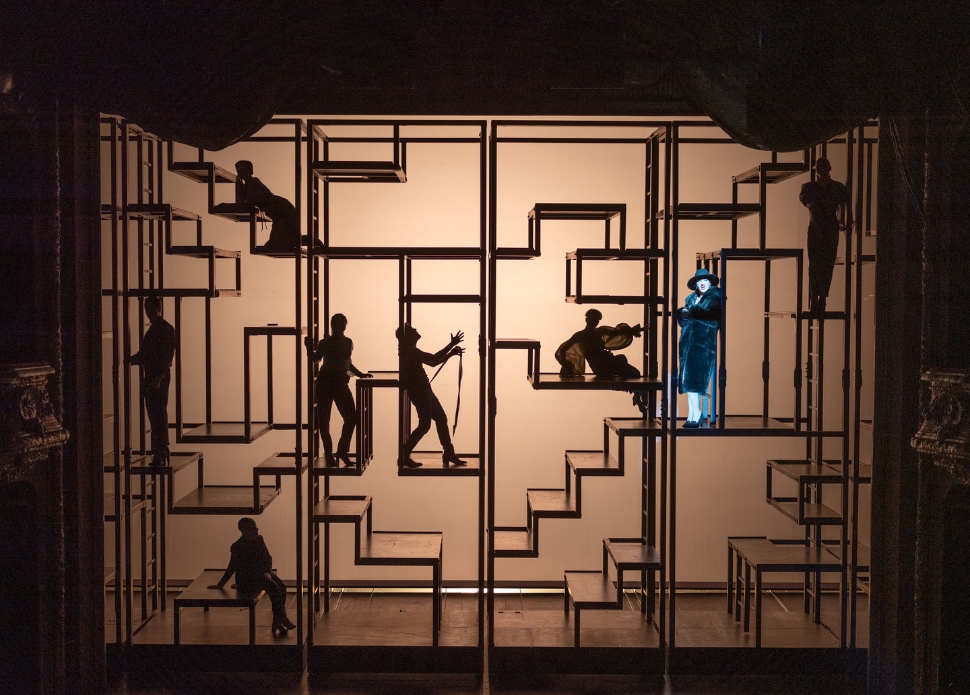
The Threepenny Opera (Photo credit: Berliner Ensemble)
Reimagining the classics
The first curatorial sub-theme is Contemporary Perspectives on the Classics. The classics serve as mirrors for creators to observe reality and respond to contemporary social structures and power dynamics. Coinciding with the 70th anniversary of Bertolt Brecht’s death, the Berliner Ensemble and famed European opera director Barrie Kosky present The Threepenny Opera, reimagined in a cabaret style. This work avoids historical cliches, while directly and boldly addressing the hypocrisy of capitalism and power structures and remaining approachable.
In Hedda Gabler, Henrik Ibsen’s most controversial female character is revisited to re-examine how power and desire shape individual destinies. In addition, this work accurately responds to the existential anxiety of contemporary people who, in the pursuit of dignity and respect, end up feeling empty inside due to the constant scrutiny on social media.
Renowned film and theatre director Kirill Serebrennikov’s work LEGEND is a theatrical poem that pays homage to cinema master Sergei Parajanov. Presented in 10 independent chapters, this work addresses this artist’s struggle for freedom in the face of persecution and explores the eternal narrative of beauty and life triumphing over death.
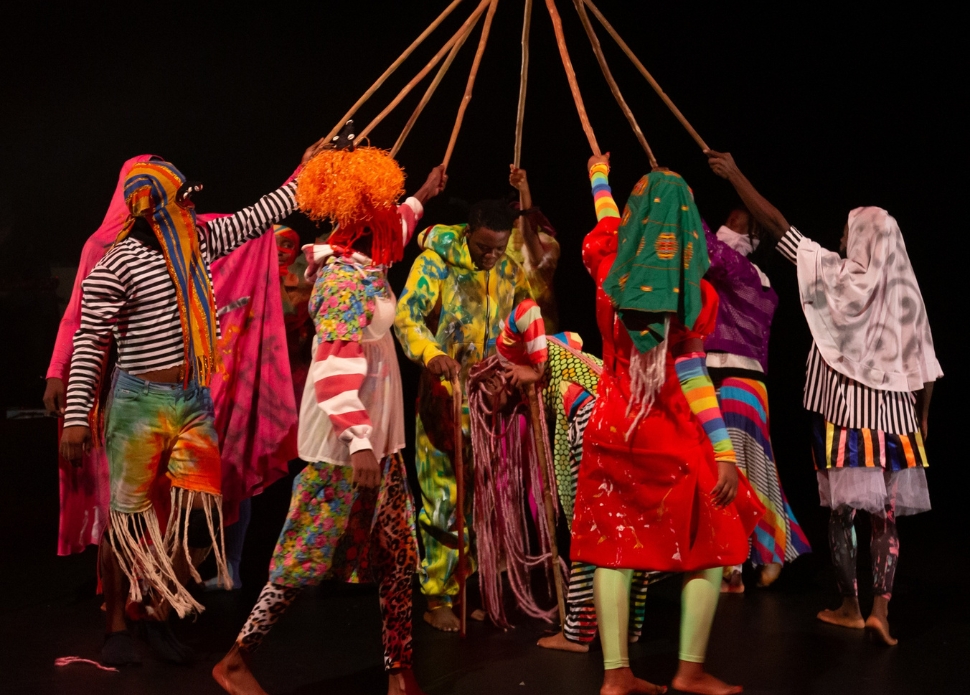
ReINCARNATION (Photo credit: herve veronese Centre Pompid)
Interpreting traditional wisdom
The second sub-theme is Future Interpretation from the Source, to explore how traditional cultures can survive in contemporary contexts, to avoid becoming artifacts on museum shelves, through interpretation that is based on physicality and technology. In Re:INCARNATION, Nigerian choreographer Qudus Onikeku combines the ancient wisdom of the Yoruba culture with the Afrobeats worldwide phenomenon and the vocabulary of the young generation. By showcasing the cycle of birth, death, and rebirth, he declares that people do not need to be defined by their lineage or trauma. Rather, at this very moment they can be transformed through the body.
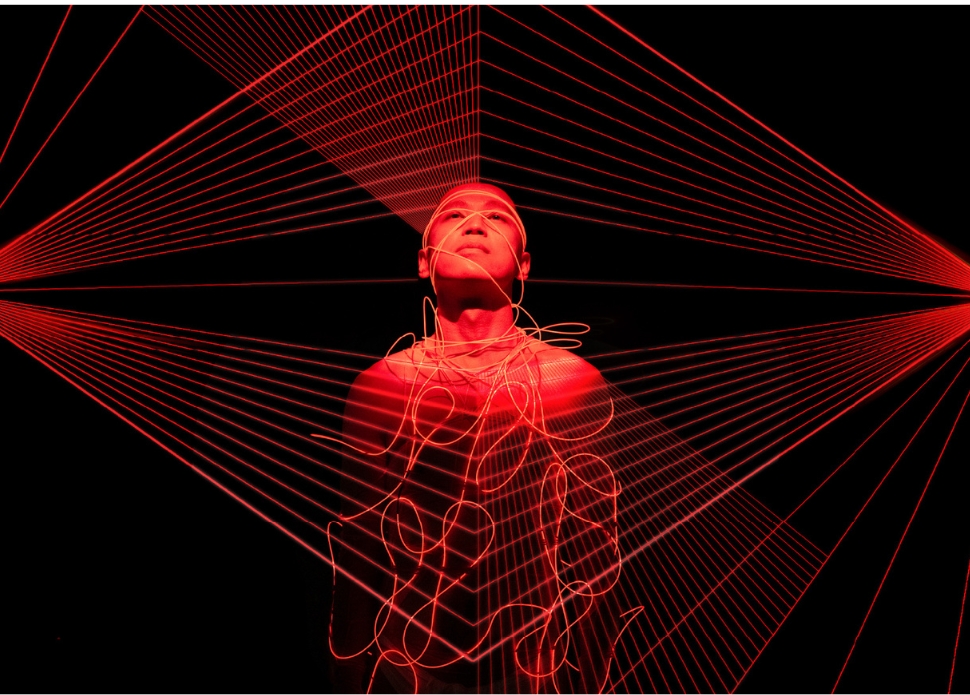
Hagay Dreaming_Shu Lea Cheang and Dondon Hounwn
Hagay Dreaming, a cross-disciplinary collaboration between Indigenous Truku ritual bearer Dondon Hounwn and new media art pioneer Shu Lea Cheang, brings ancient legends into the future. Guided by technology, ancient Gaya legends are intertwined with digital images and laser art. Following a world tour, this work makes its Taiwan premiere, leading audiences on a dreamlike journey through legends and to the future to showcase an all-new transformation of traditional wisdom in the digital age.
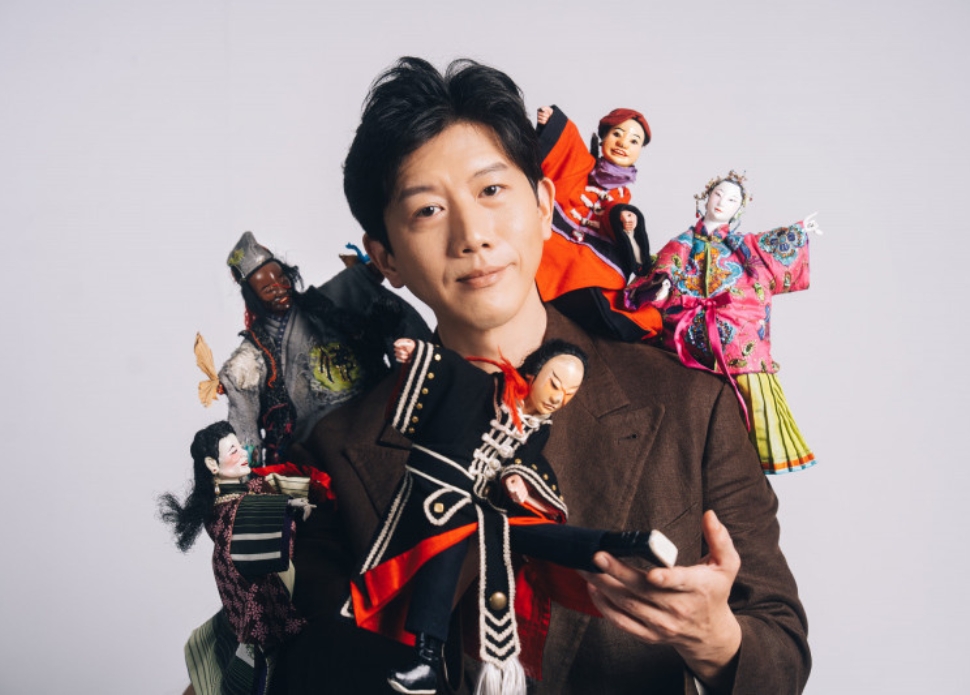
White Storyteller (Photo credit: Chienche Tang_The Party Theatre Group)
Reconstructing virtual and real memories
The final sub-theme involves The Reconstruction of Fiction and Reality within Memories. When facing personal or collective historical memories, creators use suspense, puppetry, and multiple identity shifts in their search for unspeakable truths. Closing out this programme series is White Storyteller. Golden Horse Award winning actor Mo Tzu-Yi plays seven roles, with dialogues in both Mandarin and Taiwanese, as he shares the stage with puppets. Set against the backdrop of historical scars from the martial law era, this work delicately depicts the helplessness of ordinary people, by projecting their lives onto legendary heroes. The manipulation of fates is reflected through the interplay of reality and fiction that is presented by a human actor and puppets.
Identity and the right to speak are also explored in Ghostopia, which premiered in March. Through “ventriloquis” and the possession and changing of multiple characters, Koh Choon Eiow and Cheng Yin-Chen engage in a profound debate on for whom one is speaking. Uneasy brings the focus back to the contemporary technological context. This is a cross-border production by Taiwan’s 4 CHAIRS THEATRE and Japan’s gekidan Takumi, in which the characters attempt to reconstruct their memories using VR and AI, only to fall into chaos as fiction and reality intersect. This work accurately reflects the fragile state of the contemporary mind amid the interactions of technological interfaces, emotions, and trust.
TPAC Select is dedicated to initiating different ways of viewing and focusing on new creations, new names, and new creative approaches that are in the process of transformation. It is hoped that every audience member finds their starting point here.